Chain & Charge

NiteRider Lumina vs Cygolite Metro

The two headlights every commuter shortlist comes down to. They're a hundred lumens apart and genuinely different tools - here's which one your route wants.

By Stephen V.Last updated How we pick

Shop for a commuter headlight for more than ten minutes and you end up holding these two. The NiteRider Lumina OLED Boost 1200 and the Cygolite Metro 1100 Pro sit at almost the same output, cover the same job, and get recommended interchangeably — which is unhelpful, because they aren’t interchangeable at all. The hundred lumens between them is the least interesting difference.

What actually separates them is a runtime display versus a water rating, a beam tuned to throw versus one tuned to spread, and a price gap that has to be earned. Below we compare them on the specifications each maker publishes — we own neither light and run no test lab, so nothing here is a beam measurement we took. The reasoning is on the page, and the short version is that one of these is a see-the-road light and the other is an all-conditions all-rounder.

How this is funded:we earn a commission if you buy through our links, at no extra cost to you. It never changes which product we recommend, and we’ll tell you when we’d skip one. Full disclosure.

Quick picks

Ranked on published specs, real security and safety standards, and buyer fit. Select a row to jump to the full write-up.We have not tested these products — here is exactly what we do instead.

#ProductBest forPrice
1
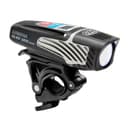
NiteRider Lumina OLED Boost 1200

NiteRider Lumina OLED Boost 1200

1200 lumens is enough to actually SEE on unlit streets, not just be seen, and the OLED screen shows real remaining runtime so you're never guessing. The commuter headlight we'd point most people to first.

Best for seeing on unlit roads
$91.94 · View on Amazon

Price as of September 6, 2026. #ad How we’re funded

2
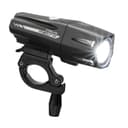
Cygolite Metro 1100 Pro

Cygolite Metro 1100 Pro

1100 lumens with day-flash modes and an IP67 rating, at a friendlier price than the NiteRider. The value see-and-be-seen headlight — daytime running flash for traffic, steady beam for the dark stretches.

Best all-round value
$50.99 · View on Amazon

Price as of September 6, 2026. #ad How we’re funded

The picks in full

#1Best for seeing on unlit roads

NiteRider Lumina OLED Boost 1200

1200 lumens is enough to actually SEE on unlit streets, not just be seen, and the OLED screen shows real remaining runtime so you're never guessing. The commuter headlight we'd point most people to first.

Strengths

  • 1200 lumens — genuine see-the-road output for dark streets
  • OLED display shows exact remaining runtime
  • USB rechargeable, IP64 water resistant

Trade-offs

  • Brighter modes drain the battery fast — carry a charge for long rides
  • Overkill if your whole route is well lit
Max output1200 lumens
ChargingUSB rechargeable
Water resistanceIP64
Best useSeeing on unlit routes

Specs read from the product listing, on July 23, 2026. We have not physically tested this product.

#2Best all-round value

Cygolite Metro 1100 Pro

1100 lumens with day-flash modes and an IP67 rating, at a friendlier price than the NiteRider. The value see-and-be-seen headlight — daytime running flash for traffic, steady beam for the dark stretches.

Strengths

  • 1100 lumens with dedicated night and daytime modes
  • IP67 — the highest water rating in this group
  • Secure hard mount and strong value

Trade-offs

  • Beam is rounder than NiteRider's — slightly less road throw
  • No runtime display
Max output1100 lumens
ModesNight + daytime flash
Water resistanceIP67
MountSecure hard mount

Specs read from the product listing, on July 23, 2026. We have not physically tested this product.

The differences that actually matter

Runtime you can read, versus runtime you guess at

The NiteRider’s OLED screen shows the remaining runtime for the mode you’re in. That sounds like a gimmick until the first winter evening when you’re deciding whether to take the long way home. Most bike lights communicate battery state through a colored LED that goes amber at some undisclosed point and red at another, which tells you almost nothing about how many minutes you actually have. Knowing the number is the difference between managing your battery and hoping.

The Cygolite has no display. In exchange it gives you a light that’s simpler to operate with gloves on and one less thing to break. If your commute is a known, fixed distance and you charge on a routine, you may genuinely never miss the screen — and the money saved buys a good rear light.

IP64 versus IP67 — a real difference, honestly explained

The NiteRider is listed IP64; the Cygolite is listed IP67. Both first digits are a 6, meaning dust-tight. The second digit is where they diverge: a 4 means protection against splashing water from any direction, while a 7 means the unit can survive temporary immersion. In commuting terms, IP64 is rated for rain and road spray, and IP67 additionally covers the light going fully under — a curb-side puddle when the bike falls over, a wash-down, a bag left out in a storm.

For most riders in most rain, both are fine. If you commute year-round in a genuinely wet climate, or your bike lives outdoors, the IP67 rating is a real and cheap piece of insurance. It’s the same reasoning we apply to gear generally in bike commuting in the rain.

Beam shape: throw versus spread

NiteRider lists the Lumina at 1200 lumens with a beam built to push light down the road; Cygolite lists the Metro at 1100 with a rounder pattern. In practice, throw is what you want on a dark road at speed — light landing far enough ahead that you can react to what it shows. Spread is what you want on a twisting path or a city street where hazards arrive from the sides.

This is also the reason lumens alone is a poor way to shop. A hundred lumens is well inside the range where beam pattern matters more than raw output, which is exactly the argument in lumens vs lux. Neither of these lights uses a cut-off beam pattern, so both need aiming down to avoid dazzling people — see how to mount and aim bike lights.

Daytime modes

The Cygolite lists dedicated daytime modes alongside its night settings, and that’s a meaningful feature rather than marketing. A bright, distinctly-patterned daytime flash is the single best thing a front light does for an urban commuter, because it works in the conditions where an ordinary steady light disappears into a bright background. Our case for running lights in daylight is in are daytime running lights worth it, and the mode question generally is in flashing vs steady.

Which one should you buy?

Buy the NiteRiderif your commute includes real darkness — an unlit road, a river path, a rural stretch — and especially if your ride length varies. You’re paying for road throw and for knowing exactly how much battery is left, and both of those are worth real money the moment you’re somewhere with no streetlights.

Buy the Cygoliteif you ride mostly on lit streets and want one light that handles everything competently for less. You get daytime modes, the better water rating and a secure hard mount, and you give up the runtime display and a little throw. For the large majority of urban commutes, that is the better-value trade — which is why it sits as the value pick in our best lights for night riding roundup as well.

One thing neither light does is cover your back. A front light is half a setup, and the rear is where a commuter is most vulnerable — get a proper tail light before you spend up at the front, from best rear bike lights. If you’re still working out how much output you need at all, start with how many lumens do you need rather than assuming 1,100 is the entry point — on lit streets it isn’t, and a cheaper light plus a good rear light beats one expensive headlight every time.
Frequently asked questions

Is the NiteRider Lumina or the Cygolite Metro brighter?

NiteRider lists the Lumina OLED Boost at 1200 lumens and Cygolite lists the Metro Pro at 1100, so the NiteRider is nominally brighter - but a hundred lumens is a small difference you are unlikely to notice on the road. The beam pattern matters more: the NiteRider is built to throw light down the road, the Cygolite spreads more. Shop the pattern for your route, not the headline number.

Is 1100 lumens enough for commuting?

Comfortably, and for lit city streets it is more than enough. Roughly 100 to 200 lumens up front will make you visible where there are streetlights; you need several hundred and up once you have to actually see the surface on an unlit road. Both of these lights are aimed at that second case, which is why either is overkill for a purely urban route and why a cheaper light plus a strong rear light is often the better buy.

What does the IP rating on a bike light mean?

The first digit is dust protection and the second is water. Both of these lights are dust-tight. The NiteRider's IP64 second digit means it is rated against splashing water from any direction, which covers rain and road spray. The Cygolite's IP67 means it can also survive temporary immersion. For most commuting, both are fine; IP67 is worth having if you ride year-round in a wet climate or the bike lives outdoors.

Does a runtime display on a bike light matter?

It matters most when your rides vary in length or you ride somewhere you would not want to be caught without light. Most lights signal battery state with a colored LED that changes at undisclosed thresholds, so you are guessing. A display that shows remaining minutes for the mode you are in turns that into a decision you can make. If your commute is the same known distance every day and you charge on a schedule, it matters much less.

Do I need daytime running modes on a front light?

They are one of the more genuinely useful features on a commuter light. In bright conditions an ordinary steady beam washes into the background, while a bright, distinctly-patterned daytime flash still reads as something moving toward the viewer. If most of your riding is in traffic rather than in the dark, a dedicated daytime mode does more for your safety than another few hundred lumens of night output.

Sources

Keep reading