Bike Locks & Anti-Theft
What actually slows a thief — and what a $15 cable lock really buys you. Ranked by real security ratings, not marketing.
A $30 cable lock is security theater. It looks like protection, it clicks shut with a reassuring weight, and a thief with $10 hand snips is through it in the time it takes you to order a coffee. That is the uncomfortable truth this hub is built around: most of what gets sold as a “bike lock” is designed to reassure the buyer, not to stop the person who actually wants the bike. The good news is that real security isn’t complicated and doesn’t have to cost a fortune — it just has to match the bike you’re protecting and the place you’re leaving it.
Three things decide whether a lock slows a thief down: what it’s made of, how it’s attacked, and how long the thief is willing to stand there working. Resistance comes down to the diameter and hardness of the shackle or chain links, the quality of the locking cylinder (a cheap cylinder can be picked or shimmed in seconds), and how little room the lock leaves for a tool. Thieves, meanwhile, carry a predictable kit: bolt cutters for thin shackles and cables, a bottle jack or crowbar for the empty space inside a roomy U-lock, a hacksaw for soft metal, and — at the top end — a cordless angle grinder that will eventually cut through anything. No lock is uncuttable. A good lock’s entire job is to make your bike take longer, look harder, and carry more risk than the bike parked next to it.
Sold Secure: the rating that cuts through the marketing
Every brand grades its own locks on its own scale — Kryptonite’s 1-to-10, ABUS’s 1-to-15 — and those numbers only mean something within a single brand. The independent yardstick worth knowing is Sold Secure, a UK testing house whose ratings are cited across the industry and asked for by insurers. It grades locks in four tiers, each tied to a defined set of attack tools:
- Bronze— resists opportunist attacks with basic hand tools. A deterrent for the lowest-risk parking, nothing more.
- Silver— a meaningful step up, holding out against a wider set of hand tools. Treat it as the floor for a bike you’d be genuinely sad to lose.
- Gold— the sensible default for a valued bike or a city e-bike: resistant to a serious toolkit, and the tier most insurers want to see.
- Diamond— the top tier, and the only one whose test includes an angle grinder. If you leave an expensive e-bike outdoors in a high-theft area, this is the tier to look for. Whether it’s worth the weight and cost is a real question — we work through it in are angle-grinder-proof locks worth it.
U-lock, chain or folding — which shape to buy
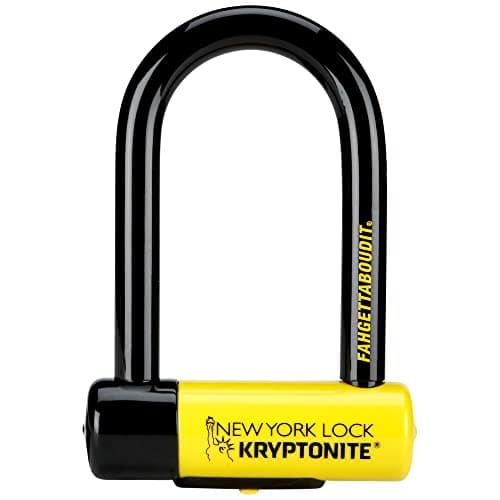
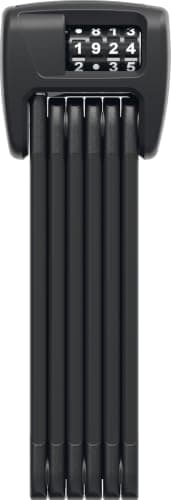
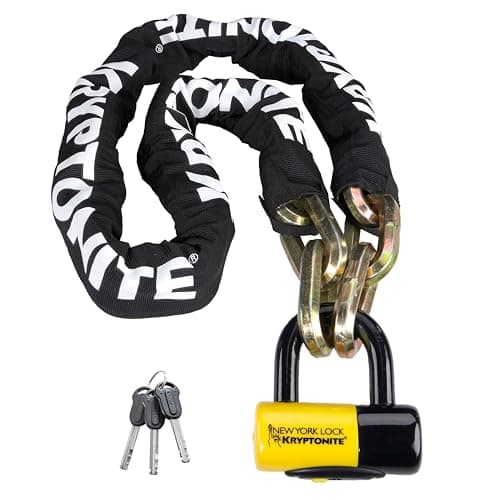
Form factor is the next decision, and each shape trades security against convenience differently. A U-lockis the workhorse: the best strength-to-weight of any type, because a short hardened shackle is hard to attack and leaves little room for leverage — see the best U-locks for commuting. A chaintrades weight for reach and flexibility, wrapping around fat posts and racks a rigid U can’t reach; the heavy hardened ones are the top choice for an e-bike left out, covered in the best chain locks. A folding locksplits the difference — more reach than a U, far more security than a cable, folding flat into a frame holster — and the good ones are in the best folding locks. Cables belong in exactly one role: a secondary lock to loop a front wheel, never your primary security.
Match the lock to the bike and the risk, not the price
A useful rule of thumb is to spend roughly 10–20% of a bike’s value on locking it, then adjust for where and how long it sits. A bike parked outside a train station all day in a dense city needs far more lock than one you bring inside your office. E-bikes push you toward the top of that range no matter what: they’re heavy, expensive and easy to resell, which makes them the most-targeted bikes on the street — a hardened U-lock or chain rated Gold or better is the floor, and the best locks for e-bikes spell out which ones actually fit.
The mistake almost everyone makes
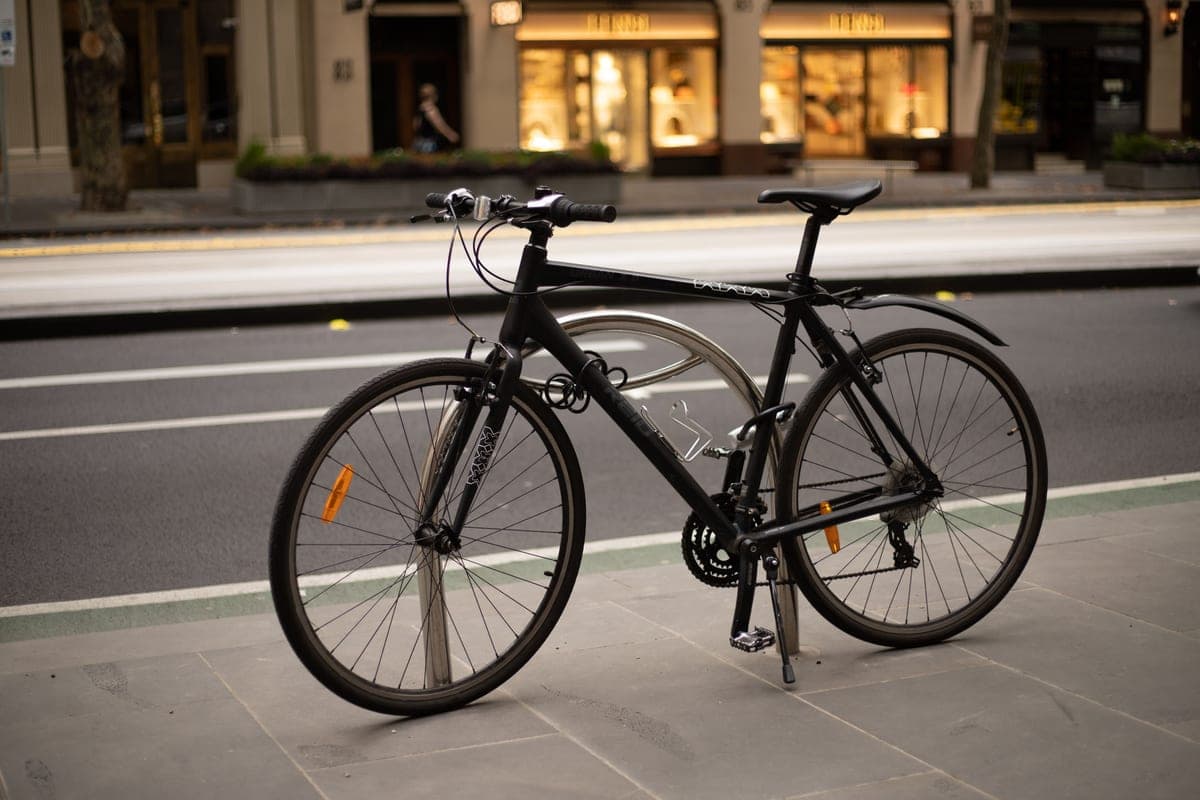
The most common error isn’t buying a cheap lock — it’s buying a good lock and using it badly. A Gold-rated U-lock does nothing if it’s around the front wheel only, or clipped to a signpost a thief can lift the bike over, or left with so much empty space inside that a jack fits in the gap. Technique is half your security, and it’s free: our guide to how to lock your bike properly and the layered plan in how to prevent bike theft cover the frame-and-wheel method, what to lock to, and the registration and habits that get bikes recovered. Start with the roundups below to pick the lock, then read those two to use it right.
Everything in Locks
Best Bike Locks for E-Bikes
E-bikes are heavy, valuable theft magnets — here are the locks that match, and why a cable won't cut it.
Our top pick
Kryptonite New York Fahgettaboudit Mini U-Lock
Best U-Locks for Commuting
The workhorse lock type, ranked by shackle thickness and security rating — from grinder-resistant to sensible daily carry.
Our top pick
Kryptonite New York Fahgettaboudit Mini U-Lock
Best Folding Bike Locks
Folding locks trade a little security for reach and portability — here are the ones worth the trade.
Our top pick
ABUS Bordo 6000C Folding Lock
$93.85 · View on AmazonPrice as of October 21, 2026. #ad How we’re funded
Best Chain Locks for Bikes
Heavy hardened chains for e-bikes and long-term outdoor parking, ranked by link thickness and security rating.
Our top pick
Kryptonite New York Fahgettaboudit 1415 Chain
$149.94 · View on AmazonPrice as of October 21, 2026. #ad How we’re funded
How to Prevent Bike Theft
The layered approach that actually works: the right lock, the right technique, and registration — in plain steps.
How to Lock Your Bike Properly
Where to lock, what to lock to, and the frame-and-wheel technique that stops the easy thefts — step by step.
Are Angle-Grinder-Proof Bike Locks Worth It?
What 'grinder-resistant' really means, which ratings actually test for it, and when it's worth paying for.
Best Budget Bike Locks
The cheapest locks we'd actually trust — hardened U-locks, a folding lock and chains that deter a thief without the top-tier price.
Our top pick
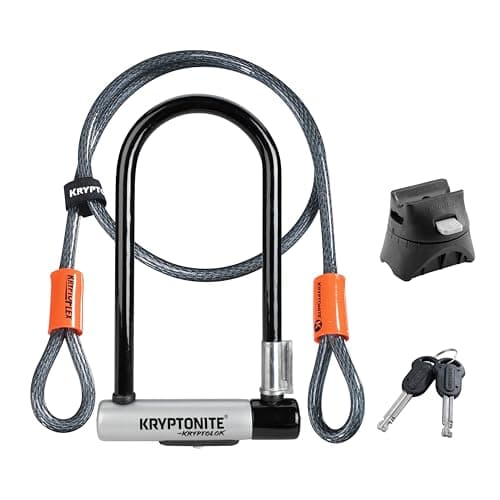
Kryptonite KryptoLok Standard U-Lock with Cable
U-Lock vs Chain Lock: Which Should You Buy?
Strength-to-weight versus reach and flexibility — how to pick between the two lock types that actually stop thieves.
Are Cable Locks Safe?
The honest answer on cable locks — what they're good for, what they're not, and why they should never be your only lock.
Bike Lock Security Ratings Explained
Sold Secure, ABUS and Kryptonite ratings decoded — what Bronze, Silver, Gold and Diamond actually promise, and which you need.
What to Do If Your Bike Is Stolen
The first-hour checklist that actually recovers bikes — report it, register the serial, list it stolen, and work the marketplaces before the trail goes cold.
How to Lock a Bike When There's No Rack
No bike rack in sight? The safe (and unsafe) things to lock to, the sign-post trick, and how to secure a bike where the city forgot to put a stand.
Kryptonite vs ABUS: Which Lock Brand Should You Trust?
The two names that dominate serious bike security, compared on ratings, anti-theft guarantees, key systems and value — and which to buy for your risk.
Folding Lock vs U-Lock: Which Should You Carry?
A U-lock's strength-to-weight against a folding lock's reach and packability — how to choose the everyday lock you'll actually carry.
ABUS Bordo 6000C Review
The folding lock that made the category credible, reviewed on the specs ABUS and Sold Secure publish - 5mm bars, Level 10, Bronze, 90cm of reach - and who should buy up instead.
Our top pick
ABUS Bordo 6000C Folding Lock
$93.85 · View on AmazonPrice as of October 21, 2026. #ad How we’re funded
Do You Need Two Bike Locks?
When one good lock is enough and when a second lock is the cheapest big upgrade you can make — the two-lock logic that beats a thief's toolkit.
How to Stop Someone Stealing Your Wheels and Saddle
The parts a thief takes when they can't take the bike — and the locking skewers, technique and cheap habits that keep your wheels and saddle where they belong.
How Much Should You Spend on a Bike Lock?
The 10%-of-the-bike rule is the wrong rule. What each tier of spend actually buys, and where the money stops buying security.
Our top pick
Kryptonite KryptoLok Standard U-Lock with Cable
How Bike Thieves Actually Break Locks
Cutters, leverage, saws, grinders and the cylinder - the five attacks that account for almost every stolen bike, and the defense that answers each one.
How to Carry a Bike Lock
Wear it, mount it, bag it or leave it at the rack - four ways to carry a lock, and the locks built for each method.
Our top pick
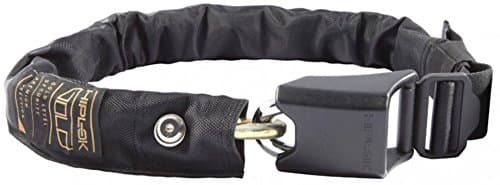
Hiplok Gold Wearable Chain Lock
Best Bike Anti-Theft Devices
Trackers and alarms answer what a lock can't - where the bike went, and who is touching it. Tags, GPS and sirens, ranked.
Our top pick
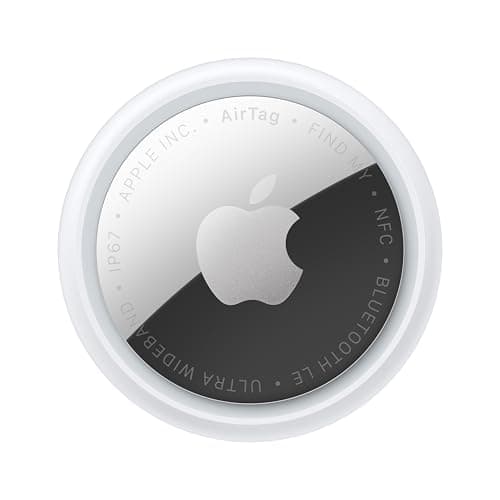
Apple AirTag (2nd Generation)
Kryptonite New York Fahgettaboudit Mini Review
An 18mm shackle Kryptonite rates 10 out of 10, in a body small enough to deny a crowbar any leverage - and the two real costs nobody puts on the box.
Our top pick
Kryptonite New York Fahgettaboudit Mini U-Lock
AirTag vs GPS Tracker for a Bike
A tag borrows other people's phones to report a location; a GPS tracker reports its own. Which one finds a stolen bike depends entirely on where the bike ends up.
Our top pick
Apple AirTag (2nd Generation)
Best Bike Locks for a College Campus
Campus theft is high-volume and opportunistic, and you lock up five times a day between buildings - so the lock that wins is the one you still carry in week six.
Our top pick
Kryptonite KryptoLok Standard U-Lock with Cable
How to Secure an E-Bike Battery
The battery is the densest value on an e-bike and the easiest high-value part to walk off with. What the frame lock does, what it does not, and what to add.
Where to Put an AirTag on a Bike
Every obvious hiding spot is the first place a thief checks. The positions that survive a stripped bike, and the mounts actually built for them.
How to Lock Two Bikes Together
One lock through two frames halves the cost and changes the risk. When it works, when it does not, and how much reach you actually need.
Kryptonite Evolution vs New York
13mm Sold Secure Gold against a 16mm heavy-duty standard, at roughly double the price and weight. The deciding question is whether your bike sleeps outdoors.
Our top pick
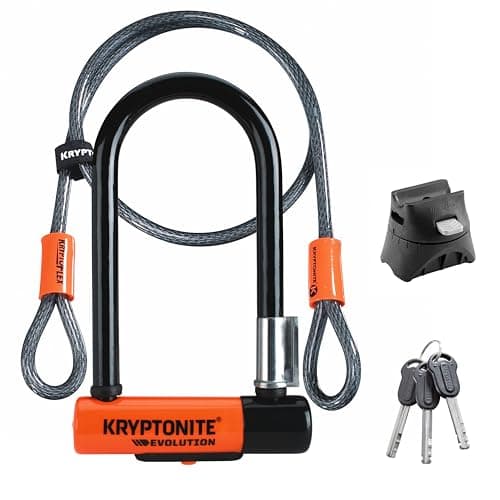
Kryptonite Evolution Mini-7 U-Lock