Bike Lights & Visibility
Enough light to be seen — and to see — on a commute. Ranked on real lumens, run time and the modes that matter in traffic.
A driver who never sees you cannot avoid you. That is the entire reason bike lights exist, and it is why they are the cheapest, highest-leverage safety upgrade on a commuter bike — a good set costs less than a tank of gas and does more for your odds after dark than almost anything else you can bolt on. Yet lights are also the gear people get most wrong, usually by buying one dim light, clipping it on, and assuming they’re covered. They aren’t. Lighting a bike for a real commute means understanding what a light is actually for — and most riders need two different kinds.
Being seen vs seeing: two different jobs
Start with the split that decides everything else: being seen versus seeing. A be-seen light is a beacon — its job is to make you obvious to drivers, so it flashes, throws light wide, and doesn’t need to be especially bright. A see-the-road light is a headlight — its job is to light the pavement ahead so you can spot a pothole or a patch of gravel, so it needs real output and a steady beam. On a lit city street you mostly need to be seen. On an unlit road or a dark trail you need to see, too. Buy for the darkest, least-lit stretch of your route, not the average — that’s exactly where the being seen vs seeing guide starts.
How many lumens you actually need
Lumens measure output, and the right number depends entirely on your conditions. To simply be seen on lit streets, 100 or so front lumens is plenty; a daytime running flash to cut through traffic wants a few hundred; and to genuinely see an unlit road you want roughly 600 to 1,000-plus. Rear lights work on a different scale — a tail light doesn’t illuminate anything, it signals, so around 50 lumens reads clearly at night while 100-plus earns its keep as a daytime flasher on busy roads. Our lumens guidelays the whole thing out in a table by riding condition. Front and rear aren’t interchangeable, either: white to the front, red to the rear, and never the reverse — a red light facing forward tells a driver you’re moving away from them when you’re riding straight at them.
Run time, modes and mounting
Run time and modes are where good lights separate from frustrating ones. Every light quotes its longest runtime on its dimmest setting; the number that matters is how long it lasts on the mode you’ll actually ride. A steady beam eats battery faster than a flash, and the brightest steady mode on a 1,000-lumen headlight might last only 90 minutes — fine for a 20-minute commute, a problem if you forget to charge it. Favor a light that shows remaining runtime, or at least warns you before it dies; choose USB rechargeable over disposable cells; and get in the habit of charging on a schedule rather than when it blinks red halfway home. Mounting matters more than people expect, too. A light that rattles loose, spins down toward the ground, or pops off on the first pothole is worse than useless, because you’ll stop trusting it — a secure hard mount beats a stretchy silicone strap on rough roads, and a rear light needs a clear sightline behind you.
The one-light mistake
Which brings us to the single most common error: running one weak light and calling it done. A dead front battery leaves you invisible; a rear light buried under a saddlebag or blocked by a rack might as well be switched off. Redundancy is real safety here. Two rear lights, or a helmet light plus a frame light, means a single failure never leaves you dark — and it’s why our budget sets start with a front-and-rear pair rather than a lone light. Think of lighting as a small system, not a single purchase: something to see with, something to be seen by, and a backup for the one that matters most.
Where to start
The roundups below split by the job you’re doing. Start with the best front lights for night riding if your route goes dark, the best rear lightsto get seen from behind — where most commuters get hit — or the best budget sets if you just need to be legal and visible without overspending. One more thing worth two minutes: lights are a legal requirement in most places after dark, and the bike light lawspage covers the general US pattern — though treat the law as the floor, not the goal. Once you’re lit, lock the bike with a proper e-bike lock, and if you ride through winter, read up on commuting in the rain, where being visible matters even more.
Everything in Lights
Best Bike Lights for Night Riding
Front lights bright enough to actually light an unlit road, ranked on lumens, beam and run time.
Our top pick
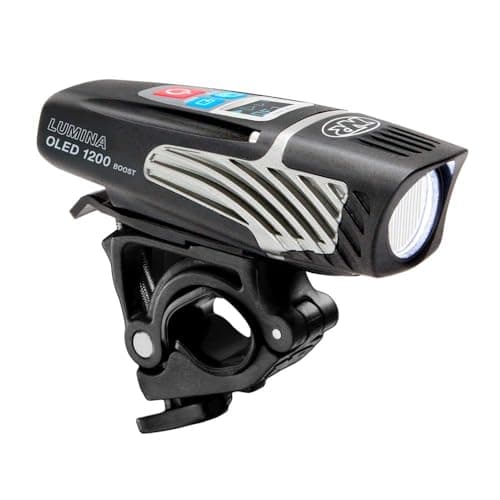
NiteRider Lumina OLED Boost 1200
$91.94 · View on AmazonPrice as of October 21, 2026. #ad How we’re funded
Best Rear Bike Lights
Tail lights that get you seen day and night, from bright daytime flashers to brake-sensing safety lights.
Our top pick
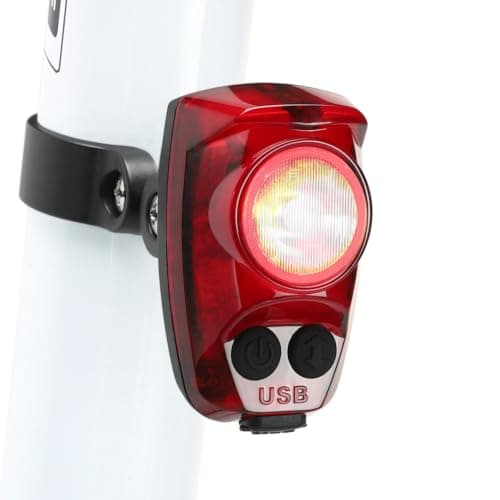
Cygolite Hotshot Pro 200 Tail Light
$31.34 · View on AmazonPrice as of October 21, 2026. #ad How we’re funded
Best Budget Bike Lights & Sets
The cheapest way to be legal and visible after dark — front-and-rear sets that don't cut the corners that matter.
Our top pick
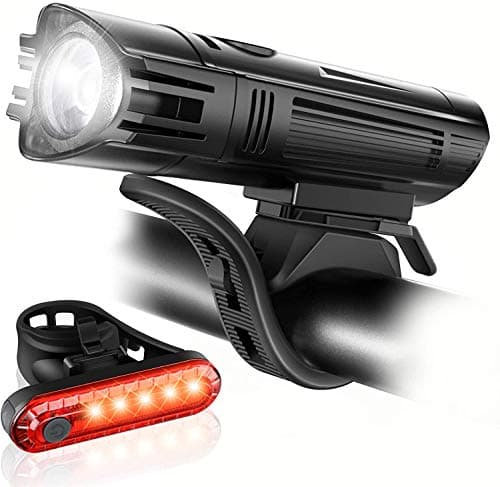
Ascher Ultra Bright USB Light Set
$16.99 · View on AmazonPrice as of October 21, 2026. #ad How we’re funded
How Many Lumens Do You Need for Commuting?
A simple table: how many lumens front and rear you need on lit streets, unlit roads and dark trails.
Bike Light Laws: What You're Required to Run
Most states require a front light and a rear reflector or light after dark — here's the general rule and how to check yours.
Being Seen vs Seeing: Two Jobs, Two Lights
Why a be-seen flasher and a see-the-road beam are different tools — and which one (or both) your route needs.
Best USB-Rechargeable Bike Lights
Front and rear lights you charge from a cable, never a battery drawer — ranked from see-the-road beams to be-seen sets.
Our top pick
NiteRider Lumina OLED Boost 1200
$91.94 · View on AmazonPrice as of October 21, 2026. #ad How we’re funded
How to Mount and Aim Your Bike Lights
Where to put your lights, how to aim the beam so you don't dazzle anyone, and how to keep them from bouncing loose.
Lumens vs Lux: Why Beam Pattern Matters
Why the brightest light isn't always the best — how lumens, lux and beam shape decide what you can actually see.
Rechargeable vs Battery Bike Lights
USB-rechargeable or replaceable batteries? The real trade-offs in cost, convenience and reliability for a commuter.
Are Daytime Running Lights Worth It for Cycling?
A large share of bike-and-car collisions happen in daylight — here's why a daytime flashing light is one of the cheapest safety upgrades a commuter can make.
Reflectors vs Lights: Do Reflectors Count?
Reflectors are passive and free; lights are active and seen from every angle. What each actually does after dark, and why reflectors are a backup, never a substitute.
California Bike Light Laws (CVC 21201)
A front lamp visible at 300 feet, a rear reflector or light at 500 feet - and the 2026 rule that applies to e-bikes at all hours.
Flashing vs Steady Bike Lights
Flashing gets you noticed; steady tells a driver where you are and how fast you are closing. The right answer differs front to rear.
NiteRider Lumina vs Cygolite Metro
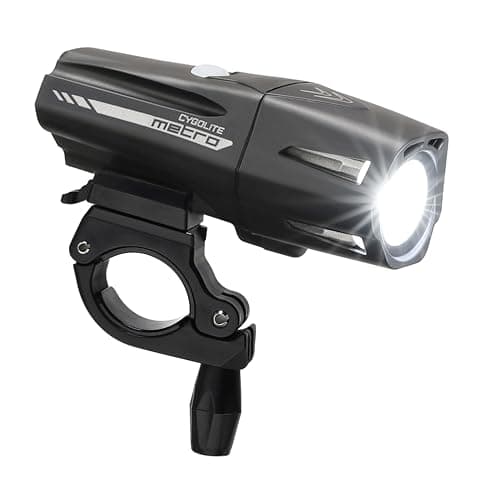
1200 lumens and a runtime display against 1100 lumens, daytime modes and a better water rating - the two headlights every shortlist comes down to.
Our top pick
NiteRider Lumina OLED Boost 1200
$91.94 · View on AmazonPrice as of October 21, 2026. #ad How we’re funded
Best Bike Lights for E-Bikes
An e-bike arrives at the dark stretch faster and carries the law's strictest lighting rule. Five lights picked for speed, weather and a rack-mounted rear.
Our top pick
Cygolite Metro 1100 Pro
$86.95 · View on AmazonPrice as of October 21, 2026. #ad How we’re funded
Best Waterproof Bike Lights
Only one light here publishes a rating that covers immersion, and two publish none at all. What the IP digits actually mean, and which lights survive a winter of commuting.
Our top pick
Cygolite Metro 1100 Pro
$86.95 · View on AmazonPrice as of October 21, 2026. #ad How we’re funded
How Long Do Bike Lights Last?
Runtime, charge cycles and service life are three different questions, and the headline number on the box answers none of them. What to expect, and how to never be caught dark.
How to Stop Your Bike Lights Being Stolen
No light is theft-proof, and a light is the cheapest thing on your bike to lose. The three strategies that work, ranked by how little they ask of you.
Can Bike Lights Be Too Bright?
Yes - and the rider dazzling everyone is usually running the right light the wrong way. How bright is enough front and rear, and what to change tonight.
Best Bike Turn Signal & Brake Lights
A bike has no brake light and no indicators, so every message goes out through your arm. Four lights that change that - and one that deliberately does not.
Our top pick
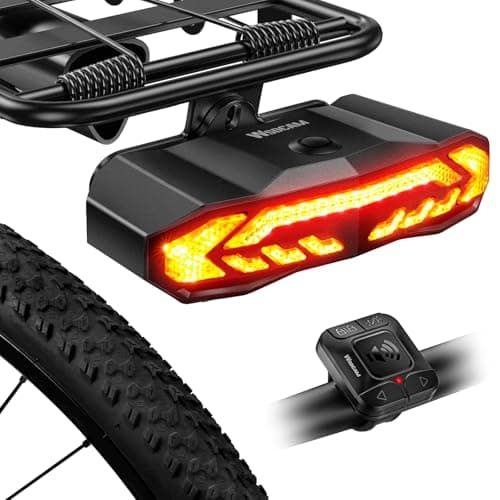
WSDCAM Smart Tail Light with Turn Signals
$39.99 · View on AmazonPrice as of October 21, 2026. #ad How we’re funded
Cygolite vs Magicshine
One brand sells lumens and an IP67 body; the other sells 48 grams, a beam that does not dazzle, and lights that switch themselves on. Which problem do you have?
Our top pick
Cygolite Metro 1100 Pro
$86.95 · View on AmazonPrice as of October 21, 2026. #ad How we’re funded