Panniers, Racks & Cargo
Carry groceries, a laptop and a change of clothes without a car — panniers, racks and baskets ranked for real commuting loads.
The moment that converts someone to car-light commuting is almost never the bike itself. It’s the first time you carry a full week of groceries home without opening a trunk — two heavy bags and a gallon of milk riding steady over the back wheel while you roll past the line at the gas station. Do that once and the car starts to look optional. This hub is about the unglamorous gear that makes it possible: the rack that bolts to your bike, and the panniers, baskets and bags that hang off it and turn a bicycle into something that hauls a real load.
The rack is the foundation — buy it first
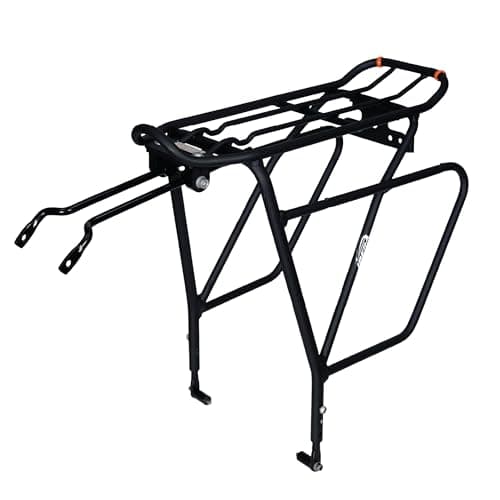
Almost everything you carry starts with a rear rack. It is the part nobody photographs and the part that quietly decides whether the rest of your cargo works at all. A rack does the single most important job in the whole system: it moves weight off your back and onto the frame, where the bike carries it instead of your spine. That is the difference between arriving sweaty with a sore back and arriving as if you’d driven. Choose the rack first, confirm it fits your frame, and then pick bags to match — doing it the other way around is how people end up with panniers that won’t clip to anything.
Panniers, basket or trailer?
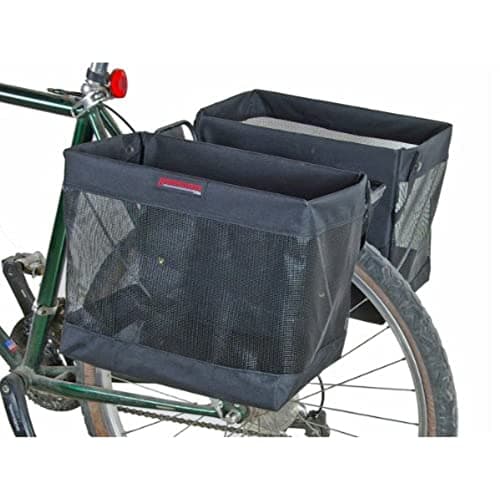
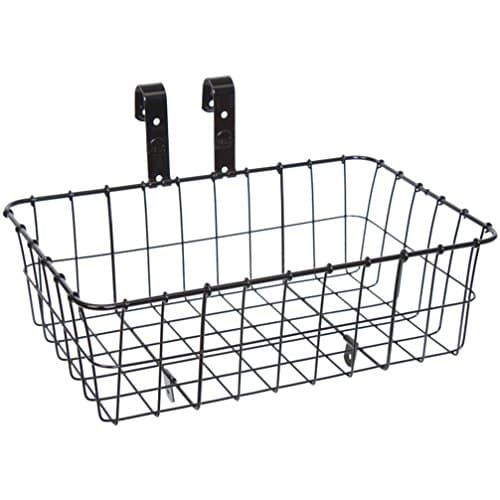
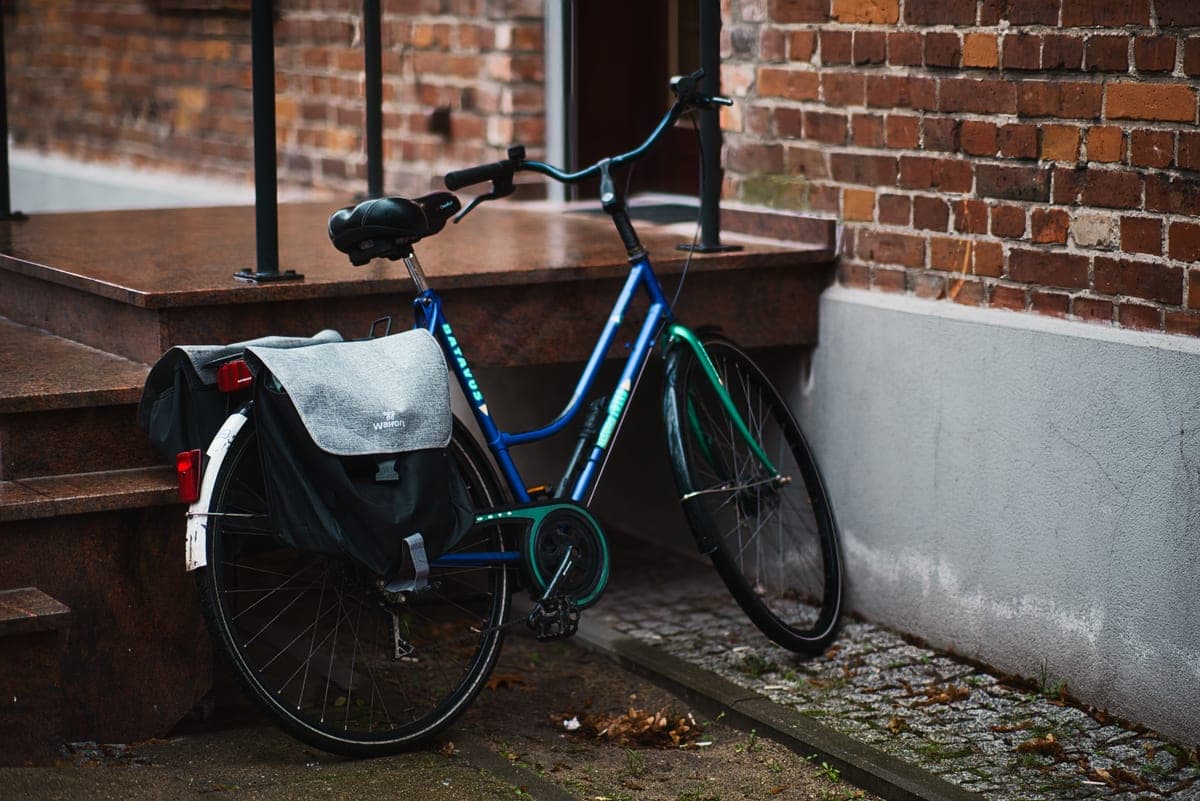
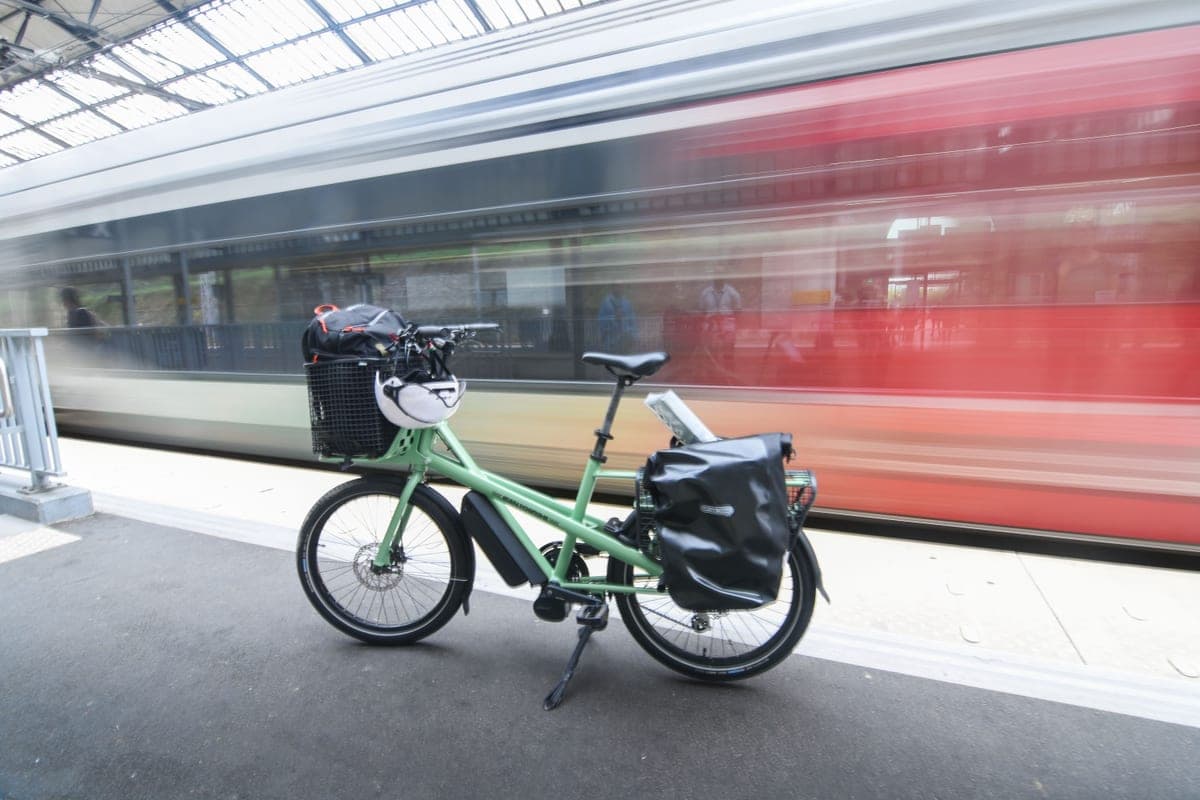
Three carrying styles cover almost every commute. Panniers— bags that hang on either side of a rear rack — are the workhorse: they keep the weight low and balanced, come on and off in a second, and disappear when you’re not using them. A basketis simpler and grab-and-go, perfect for a bag or a quick shop, though a front load does nudge your steering. A trailer is the answer only when the load is genuinely large — a warehouse-store run, a case of drinks, a small child — and it’s overkill for a daily commute. For most people, a rack plus a pair of panniers is the whole answer.
Waterproofing comes in tiers
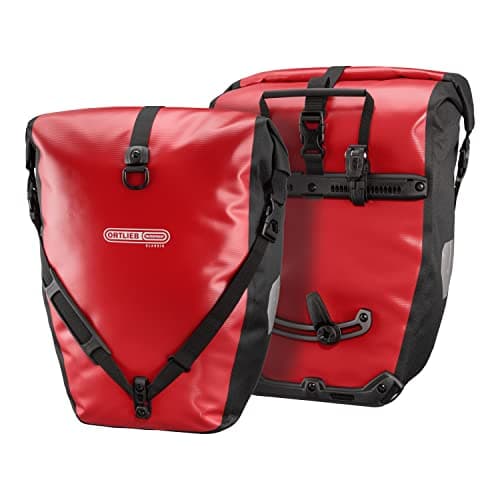
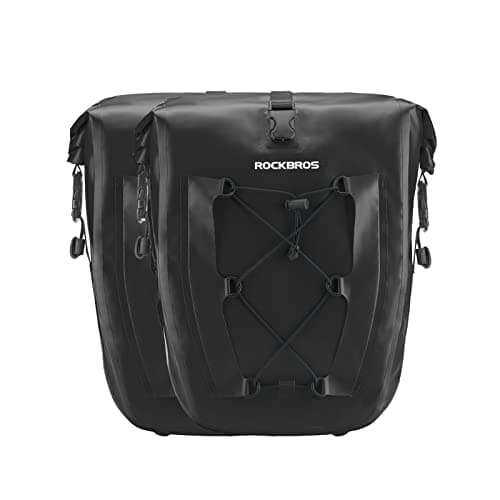
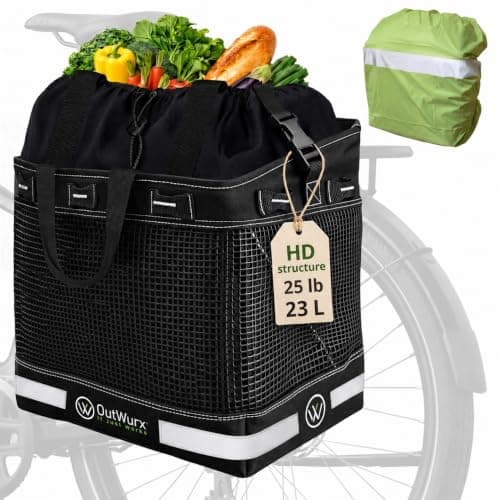
“Water resistant” and “waterproof” are not the same promise, and the gap matters the day it pours. At the top are fully welded roll-top panniers: Ortlieb’s Back-Roller Classic pair (40 L, listed as fully waterproof) and the far cheaper RockBros roll-top pair (up to 30 L) seal a laptop against a downpour by rolling the top shut. In the middle sit weatherable bags with an included rain cover — the Ibera PakRak pair and the OutWurx grocery pannier both ship one — which shrug off a shower but aren’t submersible. At the bottom are open grocery panniers and baskets, which are not waterproof at all. Match the tier to your climate, not to the product photo.
Capacity for a real load
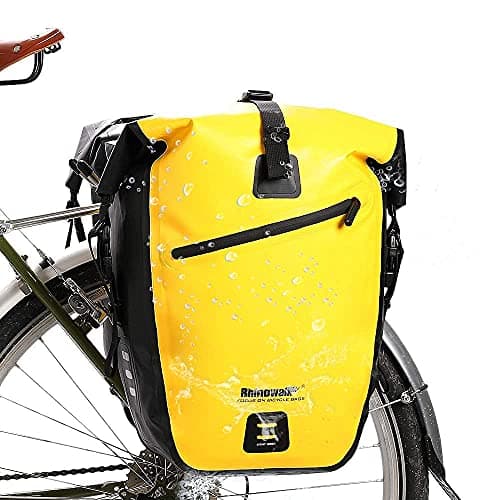
Capacity is quoted in liters, and the numbers only mean something once you picture the load. A single 27 L bag like the Rhinowalk holds a laptop, a change of clothes and lunch with room to spare — a one-bag commute. A 30–40 L pair, split across both sides, swallows a full week’s groceries: Ortlieb’s listed 40 L pair takes two paper sacks upright without crushing the bread. Buy for your biggest regular trip, not your average one, and remember that two smaller bags balanced left and right always ride better than one big bag loaded to a single side.
Mounting and compatibility
The one spec that trips people up is how the rack attaches. Frame eyelets — the little threaded bosses near your axle and seat stays — are the strong, proper way to mount a rack, and most commuter and hybrid frames have them. If yours doesn’t, seatpost-clamp and axle-adapter racks exist, and our rack-mounting guide walks through both. Bag mounts matter too: Ortlieb’s QL hooks, Ibera’s PakRak clips and Topeak’s MTX rail each pair best with their own racks, so it’s worth buying the rack and bags as a system rather than hoping they mate.
The common mistake
The mistake nearly everyone makes first is wearing the load — setting off with everything crammed into a backpack. It works for a mile, then your shirt is soaked and your shoulders ache. The whole point of a rack-and-pannier setup is to let the bike carry the weight instead of your body. If you’re still deciding, read panniers vs backpack, learn to carry groceries on a bike without crushing them, and pair it all with the right electric commuter bike if your route has hills.
Everything in Cargo
Best Waterproof Panniers for Commuting
Roll-top panniers that keep a laptop dry in a downpour, from the benchmark Ortliebs to strong budget alternatives.
Our top pick
Ortlieb Back-Roller Classic Panniers (Pair)
$199.00 · View on AmazonPrice as of October 21, 2026. #ad How we’re funded
Best Grocery Panniers for Car-Free Shopping
Panniers shaped to hold grocery bags upright and fold flat when empty — for replacing the supermarket car run.
Our top pick
Bushwhacker Omaha Grocery Panniers (Pair)
$67.45 · View on AmazonPrice as of October 21, 2026. #ad How we’re funded
Best Rear Bike Racks
The rack is the foundation for everything you carry — ranked on load, mounting and pannier compatibility.
Our top pick
Ibera PakRak Touring Carrier Plus+
$49.99 · View on AmazonPrice as of October 21, 2026. #ad How we’re funded
Best Bike Baskets
Front and rear baskets for grab-and-go carrying, from the classic steel Wald to detachable shopping totes.
Our top pick
Wald 137 Front Basket
$40.12 · View on AmazonPrice as of October 21, 2026. #ad How we’re funded
How to Carry Groceries on a Bike
Panniers, baskets, trailers and the load-balancing tricks that make a full grocery run easy without a car.
Panniers vs Backpack for Commuting
A sweaty back or a bit of setup? The honest trade-offs between carrying your load on the bike and on your body.
How to Mount a Rear Bike Rack
Eyelets, adapters and the step-by-step for fitting a rear rack — even on a frame that looks like it can't take one.
Best Budget Panniers for Commuting
Waterproof-enough panniers that carry a laptop or a grocery run for a fraction of the premium price — the value picks.
Our top pick
RockBros Waterproof Panniers (2-Pack, 30L)
$103.99 · View on AmazonPrice as of October 21, 2026. #ad How we’re funded
Panniers vs Trunk Bag: Which Carries Better?
Big waterproof capacity versus grab-and-go convenience — how to choose between panniers and a rack-top trunk bag.
How to Pack Panniers for a Balanced Ride
Load low, balance the sides and keep the weight forward — the simple packing habits that keep a loaded bike stable.
How Much Weight Can a Bike Rack Hold?
How to read a rack's load rating, why it matters for e-bikes and groceries, and how not to overload your carrier.
How to Carry a Laptop on a Bike Safely
Keep an expensive laptop dry, padded and shock-free on the commute — the panniers, sleeves and packing habits that protect it from rain and potholes.
Basket vs Pannier: Which Should You Fit?
Grab-and-go convenience against waterproof capacity and a clean ride — how a basket and a pannier really differ, and which fits your errands.
How to Carry Things on a Bike Without a Rack
No rack, no problem — backpacks, handlebar bags, seat packs and frame bags that carry a commute's worth of gear when you can't fit a carrier.
Will These Panniers Fit My Rack? A Compatibility Guide
Hook spacing, rail diameter and rack tubing — the compatibility checks that stop you buying panniers that won't clip to the rack you own.
Ortlieb vs RockBros Panniers
Welded seams against stitched, 40L against 30L, an engineered mount against generic hooks - where the premium money actually goes.
Our top pick
Ortlieb Back-Roller Classic Panniers (Pair)
$199.00 · View on AmazonPrice as of October 21, 2026. #ad How we’re funded
Best Rear Racks for E-Bikes
On an e-bike, fitment beats capacity. Disc brakes, a hub motor and fat tires rule out most racks before load ratings matter.
Our top pick
Ibera PakRak Touring Carrier Plus+
$49.99 · View on AmazonPrice as of October 21, 2026. #ad How we’re funded
Best Bike Trunk Bags for Commuting
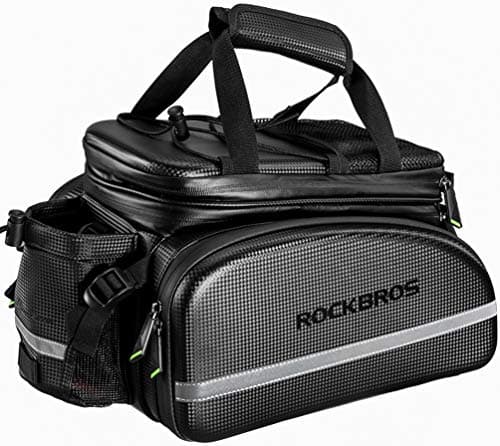
Grab-and-go carrying that lives on the rack deck — ranked by the thing that decides whether the bag will even attach to your rack.
Our top pick
RockBros 17-45L Hard Shell Bike Trunk Bag
$89.99 · View on AmazonPrice as of October 21, 2026. #ad How we’re funded
Best Panniers for Carrying a Laptop
One bag in this category publishes a padded laptop sleeve. The rest you pad yourself - so the real question is which bag keeps the water out while you do it.
Our top pick
Rhinowalk Waterproof Pannier 27L
$49.99 · View on AmazonPrice as of October 21, 2026. #ad How we’re funded
Best Panniers for E-Bikes
An e-bike rack sits on fatter tubing, often carries the battery, and holds a bike you cannot lift with bags on. Five panniers chosen on mounting hardware first.
Our top pick
OutWurx Grocery Pannier (23L, with Rain Cover)
One Pannier or Two?
Most commuters need one. The handling penalty of a single loaded bag is real but small, and which side you hang it on is not arbitrary.
How to Carry Work Clothes on a Bike
Rolling, folding, or leaving them at the office - the three honest answers, plus the one that works for a suit. With the bags that keep a shirt flat and dry.
Ibera vs Topeak Bike Racks
Two solid alloy commuter racks at nearly the same price. The real choice is which brand's snap-on bag system you are joining for the next five years.
Our top pick
Ibera PakRak Touring Carrier Plus+
$49.99 · View on AmazonPrice as of October 21, 2026. #ad How we’re funded
What Size Panniers Do I Need?
Most commuters buy twice the capacity they use, then carry the empty half every day. How to size a bag to a real load, in liters.
Are Panniers Worth It?
They cost more than the backpack you already own, and they are a big part of why bike commuting sticks. The honest case - and why the good ones cost so much.
Ortlieb vs Rhinowalk
A welded 40L pair on QL2.1 hooks against one 27L bag with a laptop sleeve. The price gap is the least interesting difference between them.
Our top pick
Rhinowalk Waterproof Pannier 27L
$49.99 · View on AmazonPrice as of October 21, 2026. #ad How we’re funded
Will a Rear Rack Fit a Disc-Brake Bike?
Disc brakes put a caliper exactly where a rack leg wants to go. Three fit checks before you order - and only one rack here publishes disc compatibility.
Our top pick
Ibera PakRak Touring Carrier Plus+
$49.99 · View on AmazonPrice as of October 21, 2026. #ad How we’re funded
How to Lock Panniers to a Bike
A pannier is built to come off in one second, which is the whole problem. Four ways to slow that down, and the habit that beats all of them.
Ortlieb Back-Roller Classic Review
A rated IP64 seal, a 9kg per-bag limit and the best quick-release in the category - against four real costs, including no pockets at all.
Our top pick
Ortlieb Back-Roller Classic Panniers (Pair)
$199.00 · View on AmazonPrice as of October 21, 2026. #ad How we’re funded