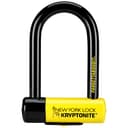
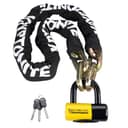
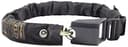
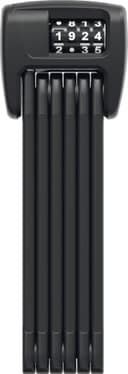
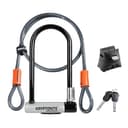
An e-bike is a rolling advertisement for thieves. It costs more than most bikes on the rack, it’s heavy enough that owners tend to leave it locked outside rather than lug it upstairs, and the parts resell fast. So the lock that came free with your last commuter bike is not the lock for this one. The floor here is a hardened U-lock or chain rated Sold Secure Gold; for an expensive e-bike parked outdoors overnight in a city, Kryptonite’s top-rated 10/10 locks — the closest thing to grinder resistance you can carry — are worth the weight.
We don’t run a test lab, so we don’t claim to have taken a grinder to any of these. We rank them on the specs each maker publishes — shackle and link diameter, the brand’s own security rating, and independent Sold Secure grades where they exist — plus honest buyer fit: what you can practically carry, and how you’ll actually lock the bike. The right pick depends less on price than on where the bike sleeps. If you can bring it inside, a Gold-rated lock plus good locking technique is plenty; if it lives on the street, buy more lock than you think you need.
Our top pick here is the heaviest lock on the site, so it is worth reading about properly before you commit to carrying it every day: the Fahgettaboudit Mini review covers the published specs, the reach limit that catches people out, and when the step-down is the smarter buy.
That last point is really a storage question rather than a lock question, and it is worth answering first: how to store an e-bikecovers where the bike goes, where the battery goes, and the CPSC’s charging guidance — because taking the battery indoors every night removes the most valuable component from the rack before any lock has to do anything.
Why an e-bike needs more lock than a regular bike
It comes down to motive and opportunity. A thief weighs the payoff against the time and risk of getting caught, and an e-bike tips that math the wrong way: the payoff is high and the bike is often parked in one predictable spot for hours. That’s why the sensible rule of thumb — spend 10–20% of the bike’s value on locking — pushes toward the top of the range for e-bikes, and why a single hardened lock beats two mediocre ones. If your bike stays out overnight, a 14mm chain or an 18mm mini U-lock isn’t overkill; it’s the entry fee.
Weight is the honest trade-off, and it’s where an e-bike actually helps: the motor carries the extra pounds, so a chain that would ruin a road cyclist’s day barely registers on an e-bike. Two lockers are better than one where you can manage it — a primary U-lock or chain through the frame and rear wheel, plus a secondary lock or cable for the front — and pairing the right lock with the layered anti-theft basics (registration, parking choice, removable accessories) does more than any single purchase. If you’re weighing whether to step up to a Diamond-rated lock, our take on angle-grinder-proof locks lays out when it’s worth it.
One layer here is specific to e-bikes: the battery is the densest value on the bike and the fastest expensive part to remove. How to secure an e-bike battery covers what the factory key lock really protects against, and what to run through the pack on the days it cannot come inside with you.
A lock is the first line, and for an expensive e-bike it is worth knowing what sits behind it. Most riders assume their homeowners or renters policy covers the bike, and insurers’ own wording suggests it often does not once the bike leaves the house — we go through the clauses in do you need insurance for an e-bike.