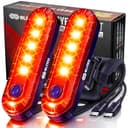
How to choose a USB-rechargeable light
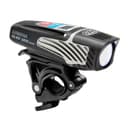
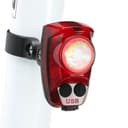
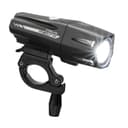
Start by deciding what the front light is for, because that is the choice that changes everything else. On lit streets where the goal is simply to be seen by traffic, a modest be-seen front is plenty. Once your route leaves the streetlights, you need a headlight bright enough to show the pavement, the potholes and the gravel before you reach them. Our lumens guide matches output to conditions, and if your commute is genuinely dark, the best lights for night riding are built for exactly that. A rear light is a simpler decision: brighter and more attention-grabbing is better, and the best rear lights cover the tail end in full.
After output, think about how the light fits your charging habits. Runtime claims are always quoted on the dimmest flashing mode, so what really matters is how long the mode you will actually use lasts against your round trip — and whether you are the sort of person who will remember to plug it in. Check the charging port too. USB-C has become the standard: it is reversible and shared with most modern phones, so it is one fewer cable to hunt for, while older lights still use micro-USB. A water rating you can trust matters if you ride in the wet, and a mount that clamps securely is the difference between a light that stays aimed all winter and one that rattles loose or drops off on a rough road. It is worth glancing at the mode set too: a light with a low, long-lasting mode and a bright mode you can call on when the road turns dark gives you flexibility a single-brightness light does not, and a clear low-battery indicator saves you from guessing whether it will last the ride home. If you are still weighing charging against swapping cells at all, our rechargeable vs battery guide lays out the trade-offs in full.
Building a front-and-rear set on any budget
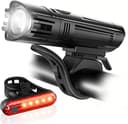
The good news is that a complete, never-buy-batteries setup does not have to be expensive, and there is more than one sensible way to assemble one. If you want to spend as little as possible, a single matched set that includes both a front and a rear light gets you legal and visible in one purchase, charges from one cable, and is the simplest possible starting point for a new commuter. It is be-seen brightness rather than see-the-road output, which is exactly right for lit streets and shorter days.
If your route has dark stretches, split the budget deliberately: put the money into a front light that can actually light the road, and pair it with a bright, dependable rear. You do not need a premium tail light to be safe — a well-chosen budget rear, ideally bought as a pair so one is always charged while the other is on the bike, keeps you covered from behind while you spend where it counts up front. A backup light also solves the one real weakness of going fully rechargeable, which is forgetting to charge: keep a spare topped up and a flat battery never ends your ride in the dark. If you already run a headlight and only need to add the tail end, a good standalone rear light slots straight into the same charging routine without touching what is on your bars. Whichever way you build it, the principle is the one federal safety guidance keeps returning to — be visible from both directions, every time the light is poor. Charge both lights on the same night, on the same cable, and staying seen stops being a chore you forget.