What a beginner actually needs (and what to ignore)
The features that matter on a first e-bike are almost never the ones the listings shout about.
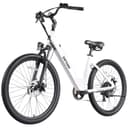
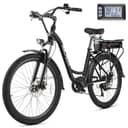
- A low step-through frame. The most underrated beginner feature there is. An e-bike is heavy, and swinging a leg over a high top tube while balancing 60-odd pounds is the moment new riders feel least confident. A step-through lets you plant both feet and step through the frame instead, in work clothes, at a red light, with a bag on the rack.
- Upright geometry.Sitting up means you can see traffic and traffic can see you, and it keeps your weight off your wrists. A sporty forward-leaning position is fine once you’re confident and actively unhelpful before then.
- A removable battery. This decides whether charging is a chore or a habit. Carry the battery inside, plug it in like a laptop, and you never have to think about where the bike sleeps.
- Moderate speed, not maximum speed. A Class 1 or Class 2 bike assisting to 20 mph is plenty for learning. The 28 mph Class 3 bikes are a great commuting tool later and a lot of bike to meet on day one. Our e-bike classes explainer lays out what each class means legally and practically.
What to ignore, at least for now: peak wattage headlines, fat tires unless your roads genuinely demand them, and any spec you’d have to become an enthusiast to evaluate. Nothing on that list will change whether you ride to work in your first month.
Throttle or pedal assist for a first bike?
Most affordable e-bikes give you both, and for a beginner that’s a genuine advantage rather than a spec-sheet curiosity. Pedal assist is how you’ll ride most of the time — it feels like a bike, just an easier one. The throttle earns its keep in three specific moments: pulling away from a stop on a hill, getting across a junction quickly, and the last mile of a day when your legs are finished. Start in the lowest assist level and work up; the common beginner mistake is riding everywhere in maximum assist, which flattens the battery and teaches you nothing about what you actually need. The full trade-off is in throttle vs pedal assist.
The first-week costs nobody mentions
Budget past the bike itself, because three purchases turn it from a possession into transport. A lock heavy enough for the bike’s value — e-bikes are the most-targeted bikes on the street, and our best e-bike lockspage explains why a cable is not a lock. Front and rear lights, because you will end up riding home later than planned in your first month. And a way to carry things, since an e-bike that can’t take your bag is a bike you leave at home. The whole list is in our bike commuting essentials checklist, and it is short on purpose.
There is also assembly. Nearly every e-bike sold online arrives about 85% built, and the last 15% — handlebars, front wheel, pedals, brake adjustment — is exactly the part where a mistake matters. If you aren’t confident, paying a local shop for a build and safety check is the best money you will spend on the bike, and it also gets you a relationship with a mechanic before you need one.
Start with the commute you actually have
The most useful thing a first-time buyer can do is ride the route once, on any bike, before choosing. You’ll learn the real distance, the real hills, where the road turns unpleasant, and whether the bike will live in a hallway or a garage. That single ride is worth more than a week of reading specifications, and it usually redirects the decision — toward a folding bike because of the stairwell, toward more assist because of a climb you’d forgotten, toward a rack because of the bag. Our guides on how to start bike commuting and choosing a commuter bike walk through that process, and whether an e-bike is worth it is the honest ledger to read before you spend anything at all.