Bike Commuting Essentials: The Gear Checklist
Ignore the accessory wall. Five things do almost all the work of replacing a car trip — here's the short list, the honest nice-to-haves, and what you can safely skip.
How this is funded:we earn a commission if you buy through our links, at no extra cost to you. It never changes which product we recommend, and we’ll tell you when we’d skip one. Full disclosure.
Quick picks
Ranked on published specs, real security and safety standards, and buyer fit.We have not tested these products — here is exactly what we do instead.
| # | Product | Best for | Price |
|---|---|---|---|
| 1 | 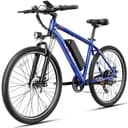 Jasion EB5 Electric Bike One of Amazon's best-selling entry e-bikes for a reason: a 26in commuter with a listed 1000W peak motor at a price that undercuts almost everything. The honest 'try an e-bike without a big spend' choice. | 1. The bike | |
| 2 | 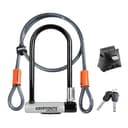 Kryptonite KryptoLok Standard U-Lock with Cable The best-value 'real' lock for everyday commuting: a 12.7mm shackle rated Sold Secure Gold, bundled with a cable to loop a front wheel. Enough deterrent for most parking without the top-tier price or weight. | 2. The lock | |
| 3 | 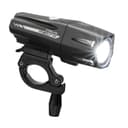 Cygolite Metro 1100 Pro 1100 lumens with day-flash modes and an IP67 rating, at a friendlier price than the NiteRider. The value see-and-be-seen headlight — daytime running flash for traffic, steady beam for the dark stretches. | 3a. The front light | $86.95 · View on Amazon Price as of October 21, 2026. #ad How we’re funded |
| 4 | 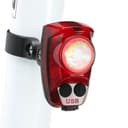 Cygolite Hotshot Pro 200 Tail Light 200 lumens is bright enough to be seen in daylight, not just after dark — the reason the Hotshot is a commuter staple. Six modes, adjustable flash, and a hard mount that stays put on rough roads. | 3b. The rear light | $31.34 · View on Amazon Price as of October 21, 2026. #ad How we’re funded |
| 5 | 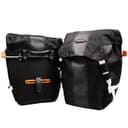 Ibera PakRak Clip-On Panniers (Pair) Clip-on panniers with a genuine quick-release and an included rain cover, built to pair with Ibera's PakRak racks. A tidy, all-weather commuter pair that comes off in one motion when you park. | 4. The cargo | $97.99 · View on Amazon Price as of October 21, 2026. #ad How we’re funded |
| 6 | 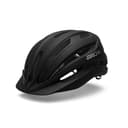 Giro Register MIPS II Helmet MIPS rotational protection from a name that's made helmets forever, at a mainstream price. The pick if MIPS is your priority — a universal-fit lid with the safety tech and Giro's fit dialed in. | 5. The helmet | $84.95 · View on Amazon Price as of October 21, 2026. #ad How we’re funded |
Search “bike commuting gear” and you’ll get a wall of a hundred accessories, most of which exist to sell you something. The truth is simpler and cheaper: replacing a car trip with a bike trip takes about five things, and once you own them well, the rest is optional. This is the honest checklist — the essentials that do almost all the work, the nice-to-haves worth adding once you’re rolling, and the stuff you can safely ignore no matter what the listing says.
The five essentials
Everything a car does for a commute — move you, stay yours when you park it, keep you visible, haul your stuff, keep you safe — a bike does with these five. Buy these properly and you’re genuinely equipped.
- The bike. The foundation of the whole system, and the one that decides whether the commute happens at all. For most people trading car trips for bike trips, an electric commuter bikeis what makes it realistic — the motor erases hills, headwinds and the sweat that talks people out of it. You don’t need to overspend; the best e-bikes under $1,000 are the low-risk way in. A regular hybrid or commuter bike works too if your route is short and flat.
- The lock.A bike is portable and valuable, which makes it a target the instant you walk away. This is the essential people most often skimp on and most often regret. Skip the cable lock — a hardened U-lock or chain rated to a real security standard is the floor. Our bike locks hub ranks by actual ratings, and the best e-bike locks cover the heavier security a valuable e-bike deserves.
- The lights.Being seen is not optional, and short winter days and sudden weather mean you’ll ride in poor light whether you planned to or not. You want a rear light that flashes brightly enough to be seen in daylight and a front light sized to your darkest stretch. The bike lights hub sorts be-seen from see-the-road, and the best lights for night riding are the pick if any of your route is genuinely dark.
- The cargo.The bag on your back is what makes a commute miserable and a grocery run impossible. Move the weight onto the bike with a rack and panniers and everything changes — you carry a laptop, a change of clothes, even a full shop, without a sweaty back. Start at the panniers and cargo hub, and if wet weather is a factor, the best waterproof panniers keep it all dry.
- The helmet.Cheap insurance you hope never to test. Every helmet sold for road use in the US meets the same federal safety standard, so even a budget lid genuinely protects you — the trick is buying one you’ll actually wear every day. The best commuter helmets cover the certified options, from low-profile style picks to MIPS and built-in lights.
The nice-to-haves, in the order most people add them
None of these are day-one requirements, but each solves a real annoyance you’ll meet within a few weeks. Add them as you feel the need, not all at once.
- Fenders (mudguards).The cheapest upgrade that most improves wet-weather riding. Without them, a damp road paints a brown stripe up your back and soaks your feet. Add them before your first rainy week — here are the fender sets worth fitting, and bike commuting in the rain covers the rest of the wet-weather kit.
- A basic repair kit. A spare tube, tire levers, a mini-pump or CO2, and a multitool. A flat two miles from anywhere is the fastest way to sour on commuting; the fix is a $25 kit and ten minutes of learning to use it.
- A floor pump. Underinflated tires are slow, squirmy and flat-prone. A track pump with a gauge at home, used weekly, prevents most of the problems new commuters blame on the bike.
- Gloves and a bell. Gloves save your hands in a spill and take the sting out of cold mornings; a bell is cheap courtesy on shared paths and required by law in some places.
- A rain jacket and a spare shirt.A packable waterproof turns a canceled ride into a normal one, and a clean shirt kept at work removes the “I’ll show up sweaty” worry entirely.
Match the gear to your actual route
The reason a checklist can’t just be “buy these exact items” is that the right version of each essential depends on your commute. A flat, three-mile ride on quiet streets in a dry climate has genuinely modest needs: a simple bike, a mid-tier lock, a basic light set and a rack-top bag will do it, and spending more buys you little. A long, hilly, all-weather commute through a city with a real theft problem pushes every choice up a tier — more motor and range in the bike, a hardened lock rated to a serious security standard, a front light bright enough to actually light the road, and fully waterproof panniers rather than a shower-resistant bag.
So before you buy, be honest about four things: how far and how hilly the route is, how bad theft is where you’ll park, how dark it gets on your worst ride home, and how much you need to carry. Those four answers size every item on the list. It also tells you where to splurge and where to save: on a valuable bike in a high-theft city, the lock is the last place to cut corners; on a short dry commute, it’s the first. And you don’t have to buy everything new — a solid secondhand rack, a good used bike, or hand-me-down panniers all count, as long as the lock and the lights, the two things standing between you and a bad day, are bought properly. Buy for the commute you actually have, not the epic one you picture on a good day.
What you can safely skip
Plenty of gear is sold to commuters that a commuter doesn’t need. You do not need clipless pedals and cycling shoes to ride to work — flat pedals and normal shoes are fine and far more practical at the other end. You don’t need a cycling computer, a heart-rate strap or a power meter; your phone already knows the route and the time. You don’t need a full lycra kit for a three-mile ride, and you almost certainly don’t need a second, “better” bike until the first one has proven the habit. The instinct to solve commuting by shopping is exactly backwards: buy the five essentials well, add fenders and a repair kit early, and let real miles — not a product page — tell you what your specific route actually needs.
Put it in order
If you’re assembling this from scratch, don’t buy it all in one panicked afternoon. Sort the bike, then the lock, then lights and cargo, then the helmet, and add the nice-to-haves as the need shows up. If you’d rather see the whole thing costed out as a set, our starter kit by budget builds these same five jobs into three complete kits, and the commuter kit hubcovers what comes after them — rain, winter and the accessories that are actually worth it. And if you haven’t settled the route and the routine yet, start with how to start bike commuting— the gear is only half the job, and the plan is what makes it stick. Federal bicycle safety guidance, linked below, is a good sanity check on the visibility and road-rule basics as you build the habit.
Frequently asked questions
What do I actually need to start bike commuting?
Five things: a bike that suits your route, a lock that matches the bike's value, front and rear lights, a way to carry your load, and a certified helmet. That covers getting there, keeping the bike, being seen, hauling your stuff and protecting your head. Everything else is a nice-to-have you can add once you're riding.
Do I need special clothes to commute by bike?
No. For most commutes, normal clothes and a slower pace work fine — dress in light layers and carry or stash your work clothes. Padded shorts, cycling shoes and a rain jacket are worth adding later if your ride is long or wet, but they're comfort upgrades, not requirements for getting started.
Is a backpack good enough, or do I need panniers?
A backpack works for a light, short commute, but a loaded pack means a sweaty back and a sore shoulder on anything longer. Putting the weight on the bike with a rack and panniers is far more comfortable and lets you carry real cargo — groceries, a laptop, a change of clothes — without wearing it.
What gear can I skip when I'm starting out?
Most of the accessory wall. You don't need a cycling computer, clipless pedals, a fancy kit or a second wheelset to commute. Buy the five essentials well, add fenders and a basic repair kit early, and let real experience tell you what else your specific route actually needs.
Sources
- U.S. NHTSA — Bicycle safety — Federal guidance on bicyclist safety, including being visible to drivers (accessed July 23, 2026)
Keep reading
Best E-Bikes Under $1,000
The bike is the foundation — here are the budget commuters worth buying.
See the picksBest Locks for E-Bikes
Match the lock to the bike's value, not its price — here's what works.
Lock it properlyBest Lights for Night Riding
Front lights that light the road, ranked on real lumens and run time.
See the light picksBest Waterproof Panniers
Keep a laptop dry in a downpour — the roll-top panniers worth the money.
See the panniersBest Commuter Bike Helmets
Certified lids you'll actually wear, from style picks to MIPS and built-in lights.
See the helmetsBike Commuting Safety in Traffic
Gear is half of it. The riding habits that keep you safe in traffic are the other half.
Read the safety guideStarter Kit by Budget
The same five jobs built into three complete kits — bare minimum to no-compromise.
See the kitsBest Gifts for New Cyclists
Buying for someone who just started riding to work? These essentials, framed as gifts.
See the gifts