Chain & Charge

Best Bike Helmet Under $100

Every certified helmet on a US shelf passed the same test, so price does not buy you safety certification. What the $100 band buys is MIPS, a light, a dial fit or a shape you do not mind being seen in - and those are what decide whether the helmet is on your head.

By Stephen V.Last updated How we pick

Here is the fact that should frame this whole page: every adult bicycle helmet legally sold in the US has passed the same CPSC impact standard. The cheapest helmet below and the most expensive one both cleared it. Price does not buy you a higher pass mark, and any page that implies otherwise is selling you something. What price buys is a shorter list of reasons to leave the helmet at home.

Which makes the $100 band the interesting one, because it is where the four things that actually matter start to appear together. MIPS, for the angled impacts a bicycle crash usually is. A dial retention system, because a loose helmet protects a fraction of what a fitted one does. Built-in lighting. And a shape you are willing to be seen in on a Tuesday morning. Under $50 you get some of those; above $100 you mostly pay for weight, vents and finish.

Four helmets inside the cap, four different priorities. One is here on looks and city features, one on MIPS, one on a light in the shell, one on price. Every price comes from our daily price check and carries its own as-of date under the button - we never type a price into a page. Every claim about a helmet is read from the maker’s own listing; we own none of these helmets and we crash-test nothing. That is how we pick, in full.

How this is funded:we earn a commission if you buy through our links, at no extra cost to you. It never changes which product we recommend, and we’ll tell you when we’d skip one. Full disclosure.

Quick picks

Ranked on published specs, real security and safety standards, and buyer fit. Select a row to jump to the full write-up.We have not tested these products — here is exactly what we do instead.

#ProductBest forPrice
1
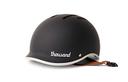
Thousand Heritage 2.0 Helmet

Thousand Heritage 2.0 Helmet

The commuter helmet people actually keep wearing because it looks like a helmet you'd choose, not one you're forced into. A low-profile retro shell, a hidden pop-lock for your U-lock, and a magnetic light mount.

Best overall
$74.00 · View on Amazon

$99.0025% off

Price as of November 23, 2026. #ad How we’re funded

2
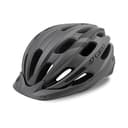
Giro Register MIPS Helmet

Giro Register MIPS Helmet

MIPS rotational protection from a name that's made helmets forever, at a mainstream price. The pick if MIPS is your priority — a universal-fit lid with the safety tech and Giro's fit dialed in.

Best MIPS
$39.99 · View on Amazon

Price as of November 23, 2026. #ad How we’re funded

3
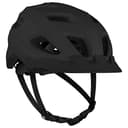
Retrospec Lennon Helmet with LED

Retrospec Lennon Helmet with LED

A commuter helmet with a rear LED safety light built in and a dial fit system, at a genuinely affordable price. The value pick — visibility and adjustable comfort without paying for a boutique brand.

Best built-in light
$39.99 · View on Amazon

Price as of November 23, 2026. #ad How we’re funded

4
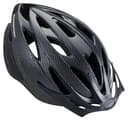
Schwinn Thrasher Adult Helmet

Schwinn Thrasher Adult Helmet

The rock-bottom-price helmet that's still a real, certified helmet: lightweight microshell, 20 vents and a dial fit. No MIPS and no frills, but a certified lid beats no lid — and this is the cheapest way to that.

Best budget
$23.09 · View on Amazon

$34.4933% off

Price as of November 23, 2026. #ad How we’re funded

The picks in full

#1Best overall

Thousand Heritage 2.0 Helmet

The commuter helmet people actually keep wearing because it looks like a helmet you'd choose, not one you're forced into. A low-profile retro shell, a hidden pop-lock for your U-lock, and a magnetic light mount.

Strengths

  • Low-profile design that doesn't look sporty or bulky
  • PopLock slot secures the helmet with your U-lock
  • Magnetic rear light mount and a secure buckle

Trade-offs

  • Premium price for the look and features
  • Fewer vents than an airy sport helmet
StyleLow-profile retro
SecurityPopLock for U-locks
LightMagnetic rear mount (sold separately)
Best useDaily commuting

Specs read from the product listing, on July 23, 2026. We have not physically tested this product.

#2Best MIPS

Giro Register MIPS Helmet

MIPS rotational protection from a name that's made helmets forever, at a mainstream price. The pick if MIPS is your priority — a universal-fit lid with the safety tech and Giro's fit dialed in.

Strengths

  • MIPS rotational-impact system included (listing)
  • Trusted brand with a reliable fit system
  • Universal fit and good ventilation

Trade-offs

  • Plainer looks than the boutique commuter helmets
  • Universal fit is less precise than sized shells
SafetyMIPS (listing)
FitUniversal adult, 54-61 cm (listing)
VentsMultiple
Best useMIPS on a budget

Specs read from the product listing, on July 23, 2026. We have not physically tested this product.

#3Best built-in light

Retrospec Lennon Helmet with LED

A commuter helmet with a rear LED safety light built in and a dial fit system, at a genuinely affordable price. The value pick — visibility and adjustable comfort without paying for a boutique brand.

Strengths

  • Integrated rear LED light for extra visibility
  • Dial adjustment for a secure, comfortable fit
  • Removable visor and a low price

Trade-offs

  • No MIPS on this model
  • Heavier than a premium commuter lid
LightIntegrated rear LED
FitDial adjustment system
ExtrasRemovable visor
Best useValue commuting

Specs read from the product listing, on July 23, 2026. We have not physically tested this product.

#4Best budget

Schwinn Thrasher Adult Helmet

The rock-bottom-price helmet that's still a real, certified helmet: lightweight microshell, 20 vents and a dial fit. No MIPS and no frills, but a certified lid beats no lid — and this is the cheapest way to that.

Strengths

  • Certified protection at a bargain price
  • 20 vents keep it cool and light
  • Dial fit and removable visor

Trade-offs

  • No MIPS
  • Basic materials and finish
Ventilation20 vents
FitAdjustable dial + straps
ExtrasRemovable visor
Best useBudget / occasional

Specs read from the product listing, on July 23, 2026. We have not physically tested this product.

What the $100 band buys that $50 does not

Four upgrades, ranked by how much difference each makes to a commuter rather than to a reviewer.

1. A shell you will wear without thinking about it. First, because it is the only factor that can take protection from zero to full. A helmet that looks like race kit gets worn on rides and skipped on errands, and a helmet skipped on errands is where most urban crashes happen. The Thousand Heritage 2.0 is a low-profile retro shell, and that is a safety feature expressed as a design one. Our full look at it is in the Thousand Heritage 2.0 review.

2. MIPS, where the listing says MIPS. A low-friction layer that lets the shell rotate a few millimeters relative to your head, cutting the twisting force transmitted in an angled impact - which is what most bicycle crashes are. Exactly one helmet here lists it, the Giro Register MIPS, and we do not imply the others have it. Whether it is worth paying for is argued in is MIPS worth it.

3. City hardware.The features that have nothing to do with impact and everything to do with daily use: the Thousand’s PopLock slot, which lets you thread your U-lock through the helmet instead of carrying it into the office, and a magnetic mount for a light. Small things that remove friction from the routine.

4. A light in the shell. The Retrospec Lennon puts a rear LED at head height, which is where drivers look first and which keeps working when a loaded backpack hides the light on your seatpost. It is a bonus, not a legal rear light - buy a proper tail light too, from best rear bike lights.

How to spend under $100

Three honest allocations, depending on what is stopping you wearing a helmet today.

If the problem is that you do not like how helmets look, spend most of the cap on the Thousand. This is not vanity; it is the highest-leverage money on this page, because the alternative is a cheaper helmet you do not put on.

If the problem is that you want the most protection per dollar, buy the Giro Register MIPS and spend the change on lights. It brings the one feature with a mechanism aimed at the crash you are most likely to have, from a maker that has been fitting helmets to heads for decades, at roughly half the cap.

If the problem is money, buy the Schwinn Thrasher. It is a certified helmet with 20 vents and a dial fit, and the gap between it and no helmet is vastly larger than the gap between it and the Thousand. That is why we call it the budget pick rather than the compromise. The tighter cap is in best bike helmet under $50.

One allocation we would argue against: buying a lightweight, heavily vented road helmet in this band because it is on sale. Those shells are cut away at the back for airflow at racing speeds, and a commuter benefits more from coverage and a visor than from 40 grams saved.

Fit matters more than everything above it

A badly fitted $90 helmet protects you less than a well fitted $25 one. This is the part of helmet buying almost nobody spends time on, and it is free. Three checks, in order.

Level, not tipped back. The front edge should sit about two finger-widths above your eyebrows. A helmet pushed back off the forehead leaves the part of your skull you are most likely to land on uncovered, and it is the single most common mistake on a city street.

Snug before the straps are involved. Tighten the dial until the helmet stays put when you shake your head with the straps undone. All four helmets here have a dial or adjustable retention system, which is why this is a fair test across the page.

A V under the ears, two fingers under the chin. The side straps should meet just below and forward of the earlobe, and you should be able to fit two fingers between strap and chin - no more.

Then two replacement rules. Replace the helmet after any impact, even one with no visible mark, because the foam crushes once and does not recover. And absent a crash, replace it every few years as straps, padding and the dial wear out. If you ride an e-bike, the speed changes which features matter and we have ranked the same field for that in best e-bike helmets; the general commuter ranking is in best commuter bike helmet, and where a helmet sits among the first purchases is in bike commuting essentials.
Frequently asked questions

What is the best bike helmet under $100?

The Thousand Heritage 2.0, for most commuters. It is a low-profile retro shell that people keep wearing rather than leaving on a hook, and it carries two features built for city use: a PopLock slot so your U-lock can secure the helmet to the bike, and a magnetic mount for a light. If your priority is protection technology rather than looks, buy the Giro Register MIPS instead - it is the only helmet in this band whose listing states MIPS, at around half the cap. Prices here come from our daily check with an as-of date under each button.

Are expensive bike helmets safer than cheap ones?

Not in terms of certification. Every adult bicycle helmet legally sold in the US has passed the same CPSC impact standard, from the cheapest in a big-box store to a boutique commuter shell. What more money buys is lighter weight, better ventilation, finer fit adjustment, nicer finish, extra features such as MIPS or an integrated light, and a shape you are more likely to wear daily. That last one is the real safety difference, because an unworn helmet protects nothing - which is why we rank a style-led helmet first and a MIPS helmet second.

Should a $100 bike helmet have MIPS?

It is the feature worth looking for in this band, yes. MIPS adds a low-friction layer that lets the shell rotate slightly relative to your head, reducing the rotational force transmitted in an angled impact - and most real bicycle crashes are angled rather than straight down. It is not a guarantee and it is not the only system of its kind, but when two helmets cost the same and one lists MIPS, take that one. In this field only the Giro Register MIPS states it, and it sits comfortably under the $100 cap.

What is the difference between a helmet under $50 and one under $100?

Features and wearability, not certification. Under $50 you can get a certified helmet with a dial fit and, in the Retrospec Lennon's case, a built-in rear light. Stretching to $100 adds the things that remove excuses: a shell designed to look like normal clothing rather than sports equipment, lock-and-light hardware built into the helmet, finer fit adjustment and lighter, better-finished construction. If budget is the constraint, buy the certified $25 helmet today rather than waiting to afford the $75 one.

How do you tell if a bike helmet fits properly?

Three checks. First, level: the front edge should sit about two finger-widths above your eyebrows, not pushed back off the forehead, which is the most common mistake on a city street. Second, snug before straps: tighten the retention dial until the helmet stays in place when you shake your head with the chin strap undone. Third, the strap geometry: side straps should form a V just below and slightly forward of the earlobe, with room for no more than two fingers between the strap and your chin.

How often should you replace a bike helmet?

Immediately after any impact, even one that leaves no visible damage, because the EPS foam absorbs energy by crushing and does not spring back - a helmet that has done its job once cannot do it again. Without a crash, most makers recommend replacement every three to five years, as the straps stretch, the padding compresses, the retention dial wears and the foam slowly degrades. Replace sooner if the helmet has lived in a hot car all summer, been dropped hard onto concrete, or has visible cracks or crazing in the shell.

Sources

  • U.S. CPSC — Safety Standard for Bicycle Helmets (16 CFR Part 1203) — The mandatory U.S. bicycle-helmet standard every helmet sold in the country must meet (accessed July 23, 2026)
  • Mips — What is Mips? — The manufacturer's own page. What it claims, in its own capitals: "THE MIPS SYSTEM HAS BEEN DESIGNED TO REDUCE ROTATIONAL ENERGIES TO THE HEAD" "WHICH MAY LEAD TO BRAIN INJURIES" — design intent, not a measured result. The technology is described as "slip-plane technology used by helmet manufacturers, which is what Mips safety system is all about". The page gives NO movement distance in millimeters and no test figures. Its own limitation language, also in capitals: "NO HELMET OR IMPACT PROTECTION SYSTEM CAN PROTECT A USER FROM ALL INJURIES." and "DO NOT WARRANT THAT AN INDIVIDUAL WHO SUFFERS A COLLISION, FALL, OR OTHER BLOW TO THE HEAD" is protected. It also discloses a known side effect: "SOME MIPS LOW-FRICTION LAYERS, ALONG WITH OTHER PARTS OF A HELMET, MIGHT CAUSE LACERATIONS TO THE WEARER'S SCALP" (accessed October 31, 2026)
  • Virginia Tech Helmet Lab — Bicycle helmet ratings (STAR system) — The independent university lab that publishes a per-model rating rather than a pass/fail certification. Its published method: helmets are evaluated "using the STAR testing system"; "We measure linear acceleration and rotational velocity for each impact, which are correlated to concussion risk"; each helmet undergoes "24 impact tests" across six locations around the helmet at medium and high impact energies. Its published interpretation: "Helmets earning more stars are associated with lower concussion risk in these scenarios", and the lab recommends "choosing a helmet rated 4 or 5 stars". Cost shown alongside a rating is "the price of the helmet at the time of testing". The page does not mention Mips or any named rotational technology, and does not state how many helmets have been rated (accessed October 31, 2026)
  • Amazon — Schwinn Thrasher Adult Helmet listing (ASIN B00012M5MS) — Confirmed "In Stock" via Creators getitems on 2026-11-14. The full title reads "Schwinn Thrasher Helmet for Adults, Black, Size 58 - 62 cm, for Riders Ages 14+, Lightweight Microshell, Adjustable Dial and Straps, Interior Padding, 20 Air Vents, Removable Visor, Adult Bike Helmet". It publishes a 58-62 cm size range - notably NARROWER at the small end than the 54-61 cm range both other picks publish - plus 20 air vents, a microshell, a dial-and-strap fit system and a removable visor. It publishes no weight, no certification standard by name and no MIPS claim (accessed November 14, 2026)

Keep reading