Eyelets, load rating and bag compatibility
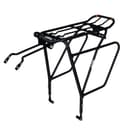
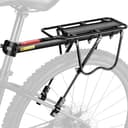
Three specs decide whether a rack fits your life. First, mounting: a frame-mounted rack like the Ibera PakRak Touring Carrier bolts to eyelets near the axle and seat stays and is the strong choice for heavier loads, while a universal rack like the West Biking clamps on and suits frames without eyelets. Second, load rating: the West Biking lists a 110 lb capacity and the Ibera is built for heavier top and side loads, but the real limit is often your bike’s frame and wheels, not the rack — don’t exceed the bike maker’s number. Third, disc-brake clearance: many modern frames have a rear disc caliper the rack must clear, and the Ibera is designed with that in mind.
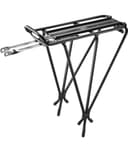
Then there’s the bag ecosystem. If you already like a particular bag system, buy the rack that mates with it: the Topeak Explorer’s MTX QuickTrack rail lets a Topeak trunk bag snap on without straps, and Ibera’s carrier pairs cleanly with Ibera’s own quick-release panniers. All three take standard panniers on their side rails, so you’re never locked in — and our trunk bag pickssort the rail-system bags from the universal ones that fit any rack deck. Once the rack is on, load it right — heavy items low and centered — and add the bags: our waterproof panniers for wet commutes, or grocery panniers for the weekly shop.
If your shortlist has come down to the two name-brand commuter racks, Ibera vs Topeak puts them head to head on the thing that actually separates them — which brand’s snap-on bag system you are joining for the next five years. And if your frame turns out not to take a rack at all, carrying things without a rack covers what is left.
One fit question comes up more than any other with these racks, because nearly every commuter bike sold now has disc brakes and a rear caliper sits exactly where a rack’s lower leg wants to go. The three checks that settle it — and which of these racks actually publishes disc-brake compatibility — are on will a rear rack fit a disc-brake bike.