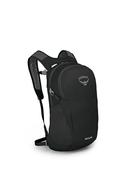
How we picked
Five criteria, in the order they actually decide a commuter-backpack purchase. What is deliberately absent is a comfort ranking: we own none of these packs, nobody publishes a harness measurement, and a claim about how a bag carries at mile eight would be us inventing a test we never ran.
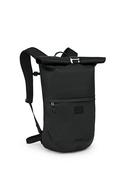
1. What the listing claims about water, in its own words. This is first because it is the difference between a laptop and a dead laptop, and because the category is slippery about it. “Waterproof” is a claim about the bag keeping water out. “Water resistant” means it will survive a shower and not a downpour. Silence means assume it wets through. Only the Osprey Metron 25L uses the first word. The Chrome Barrage uses the second. The Thule Paramount, the Timbuk2 Q and the Osprey Daylite use neither, so this page treats all three as fair-weather bags and says so in each entry.
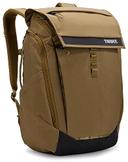
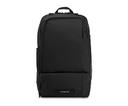
2. Does it publish the laptop size it fits?Most do not, and it matters more than capacity in liters because a 16-inch machine will not go into a sleeve cut for 13. Two listings here publish a number: the Thule Paramount 27L says 16 inches and the Timbuk2 Q says 17. The Chrome Barrage publishes a laptop pocket with no dimension, the Osprey Daylite publishes “laptop carry” with no dimension, and the Metron publishes no sleeve detail at all. Measure your laptop before you order anything from the second group.
3. Capacity, where it is published. The useful commuter range is roughly 18 to 27 liters, and all four packs that publish a figure sit inside it: Timbuk2 Q at 18 L, Chrome Barrage at 22 L, Osprey Metron at 25 L, Thule Paramount at 27 L. Under 18 liters and a laptop plus a lock plus lunch stops fitting. Over about 30 and you are carrying a load on your spine that belongs on a rack. The Osprey Daylite publishes no capacity, which is one of several reasons it is the budget pick rather than a recommendation.
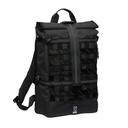
4. Is it designed for riding, or for an office? A real distinction, and not the same as brand prestige. The Metron and the Barrage are built on bike lineage - a commuter-bike designation on one, a messenger roll-top and cargo net on the other. The Thule Paramount is sold as a commuter backpack. The Timbuk2 Q and the Osprey Daylite are work and everyday bags that commute well, with no bike-specific harness feature published. Both of those are fine choices; they are just not bike bags, and a page that blurred the difference would be selling you the brand instead of the bag.
5. What the listing does NOT publish. Nobody in this group publishes an empty weight. Nobody publishes a fabric denier. Nobody publishes a hydrostatic head, including the pack that claims waterproof. There is no reflective-detailing specification on four of the five. That absence is the single most useful thing to know before you shop, because it means the comparison you can make honestly is narrower than the one the marketing invites - and it is why this page has no weight column and no spec table beyond what each listing states.
Capacity, in things rather than liters
Liters are a bad unit for a decision because nobody packs in liters. Here is the practical translation, and it holds across this whole category rather than being specific to one bag.
Around 18 liters is a laptop, a charger, a packed lunch and a slim lock. It is a working day with nothing extra, and it is the capacity that fits under a desk and on a crowded train. The Timbuk2 Q sits here, and its power-brick pocket is a sign that the designers knew exactly which day it was built for.
Around 22 to 25 liters adds a change of clothes or a pair of shoes, which is the difference between arriving and arriving presentable. This is the band most regular commuters should buy into, and it is where the Chrome Barrage and the Osprey Metron sit. If you ride in cycling clothes and change at the other end, this is your number, not 18.
Around 27 liters and up starts covering a gym kit, a laptop, lunch and groceries on the way home - and starts being a load you can genuinely feel at the top of a hill. The Thule Paramount 27L is the largest here and the point at which we would ask the honest question: if you are carrying this much every day, why is it on your back? A rear rack plus a single pannier costs less than any of the three premium packs on this page and carries the same load without touching your shoulders. The options are in best rear bike racks and matched rack and pannier sets.
The sweat problem, and the two things that actually help
Every backpack traps heat against your spine. There is no pack on the market that solves this, including the expensive ones, because the mechanism is simple contact: a panel of fabric pressed to your back stops that area losing heat, and you sweat where it sits. Suspended mesh back panels reduce it. They do not remove it.
Two things genuinely help, and neither of them is a pack feature. The first is riding slower on the way in. Heat production scales with effort far faster than it scales with speed, so dropping your pace by a couple of miles an hour costs you two or three minutes and a large fraction of the sweat. The second is carrying the clothes rather than wearing them - which is the case for a slightly larger bag, and the reason the 22-to-25 liter band is the sweet spot. We go through the full routine, including the no-shower-at-work version, in how to not arrive sweaty and how to carry work clothes on a bike.
The third thing that helps, and the one people resist, is accepting that the pack is the wrong tool for the long ride. If your commute is over about five miles each way in warm weather, a backpack is a comfort decision you will re-make every day, and most riders eventually move the load to the bike.
Rain: what to do when the listing says nothing
Three of the five packs here publish no water claim at all. That is not a reason to rule them out; it is a reason to plan for it, and the plan is cheap.
Use a dry bag inside the pack, not a cover over it. A rain cover stretched over a backpack sheds the water that lands on top and funnels the rest into the panel against your back, which is exactly where your laptop sleeve is. A sealed bag around the electronics inside the pack fails in the opposite direction: the bag can get soaked and the contents stay dry. A roll-top dry bag large enough for a laptop costs a fraction of the price difference between these packs.
Then stop worrying about the bag and worry about you. The part of a wet commute that makes people quit is not a damp notebook, it is arriving cold. Our wet-weather routine, and the gear order we would actually buy in, is in bike commuting in the rain, and the single highest-value wet-weather purchase is not a bag at all - it is a set of fenders, because the water that soaks a commuter mostly comes off their own front wheel.
Visibility: a dark pack hides the lights you already paid for
Four of the five packs here are black, and none of them publishes a reflective-material specification. Worth naming, because a 25-liter pack sits squarely between a driver and your rear light. A seatpost light behind a fully loaded backpack is a light aimed at the inside of your own bag.
Two fixes, in order of how well they work. Move the rear light where the pack cannot block it - a seatstay mount, a rack-mounted light, or a light clipped to the pack itself at shoulder height, which is actually above a car’s hood line. Or put the reflective layer on the outside, over the pack, which is the cheapest visibility upgrade on this site and the one that survives you forgetting to charge anything. We rank the options in best reflective vests for cycling, and the lights that pair with them are in best rear bike lights.
What we would buy, by rider
You ride in real rain and carry a laptop: the Osprey Metron 25L. It is the only waterproof claim on the page and the capacity is right. Add a dry bag anyway for the laptop, because the listing publishes no rating behind the word.
You carry a big laptop into an office: the Thule Paramount 27L, because it is the only bike-brand pack here that publishes the laptop size it fits. Treat it as a fair-weather bag.
Your load changes shape every day: the Chrome Barrage Roll-Top. A roll-top plus an external cargo net is the only arrangement here that handles the thing that will not go inside.
You want the most bag for the money: the Timbuk2 Q 2.0. A 17-inch laptop fit and real organization for substantially less than the three packs above it, as long as you accept it makes no weather claim.
You are not sure you will stick with this: the Osprey Daylite Commuter. It is a plain bag and we have said so, but it is a third of the price of the top pick, and spending the difference on a lock that holds or a decent light set will do more for your commute than a nicer backpack will.