The three device types, and what each one actually buys you
Nearly everything sold as a bike anti-theft device falls into one of three groups, and the differences matter far more than the brand on the box.
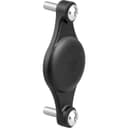
Bluetooth tags— an AirTag and its bike-specific cousins — carry no GPS at all. They shout a tiny encrypted identifier, and any passing phone on the same network relays the location to you. Apple describes the Find My network as over a billion iPhone, iPad and Mac devices, all reporting anonymously and encrypted. That density is the whole product: in a busy American city a tag updates constantly because it is never far from someone’s phone. On a rural back road it can stay silent for hours. What you get is a trail of last-seen pins, not a live chase.
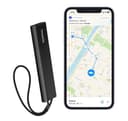
Cellular GPS trackerscarry their own SIM and their own satellite fix, so they report where the bike is right now without needing a stranger to walk past. That independence is what you pay for, twice: once for the hardware, then every month for the data plan. They’re also bigger and need charging on a schedule. For a bike worth four figures — which most decent commuter e-bikes now are — that running cost stops looking silly quite quickly.
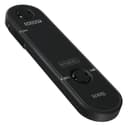
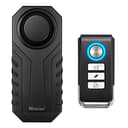
Alarmsdon’t track anything. A vibration sensor triggers a siren when the bike is moved, and the point is the two seconds of hesitation it buys: a thief working a quiet rack expects silence, and noise means attention. Against an opportunist that’s often enough. Against someone who has already committed to a grinder, as covered in how thieves break bike locks, it is a minor inconvenience.
How we picked
Four things separate a device worth fitting from one that ends up in a drawer.
Where it mounts, and how hidden that is.A tracker a thief finds in ten seconds is decoration. Bottle-cage bosses are the standard hiding spot on a commuter frame, which is exactly why every product here uses them — and also why an experienced thief checks there first. The honest version of this advice is that bottle-cage mounting is the best practical option, not an invisible one.
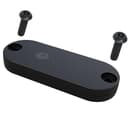
Whether it fights removal.Anti-tamper hardware won’t stop anyone with time, but it converts a one-second unclip into a job that needs a tool. That’s the entire difference between a tag taped under a saddle and a tag bolted behind a cage.
What you have to do to keep it alive.A device you have to remember to recharge is a device that will be flat on the day it matters. Multi-year batteries win on this axis by a mile, and it’s the single most underrated spec in the category.
Which phone you carry.Find My devices are iOS-only, and most of this category is built on Find My. If you’re on Android, your realistic choices narrow to a cellular tracker or an alarm — a constraint worth knowing before you spend.
Which one should you fit?
If you ride an iPhone and park in a city: a tag plus a bolt-down mount is the highest return per dollar in bike security, full stop. It costs less than a decent set of rechargeable lights and it turns a stolen bike from gone into maybe.
If your bike is expensive, or you park it somewhere quiet: a cellular tracker earns its subscription. Crowd-sourced networks depend on foot traffic, and a bike sitting in a garage or a van has none. Motion alerts also mean you find out during the theft rather than the next morning.
If your parking is overlooked and you want deterrence:an alarm is the cheaper instinct, and it does work on opportunists. Just don’t buy an alarm instead of a tracker and think you’ve solved recovery — you’ve solved a different problem.
If you want one thing on the bike:a combined alarm and finder covers both jobs from a single bottle-cage unit. You pay a premium over a bare tag, and you accept a recharge cycle, but there’s only one thing to fit and one thing to hide.
Fitting a tracker so it actually survives the theft
The device is the easy part. A few habits decide whether it does anything for you.
Hide it somewhere that costs time to reach. Under a bottle cage rather than on top of it. Behind a rack rather than on the outside. If your bike carries a rear rack or a saddle bag, you have more options than a bare frame does.
Use the anti-tamper hardware that comes in the box. People fit these with zip ties because it’s faster. A zip tie is defeated by the multi-tool the thief is already carrying.
Know your serial number anyway. A tracker tells you where the bike is; a serial number and a registration are what let police act on it. Our guide to what to do if your bike is stolen walks the first hour, and the recovery odds are much better when the location and the paperwork arrive together.
Never go and get it yourself. This is the one rule with real consequences. A tracker gives you an address, not the right to knock on the door. Give the location to the police and let them handle it.
Check it every few months.Batteries die, mounts loosen, and an app that hasn’t been opened since spring is not a security system. Fold it into the same routine as your regular bike checks.
The honest limits
Two things get glossed over in most write-ups of this category, and both are worth knowing before you buy.
The first is that anti-stalking protections cut both ways. Apple warns iPhone users when an unknown tag appears to be traveling with them — a genuinely good feature that also means a thief carrying an iPhone may get a notification that your tag is along for the ride. It doesn’t make tags useless, because plenty of thieves aren’t carrying an iPhone or aren’t reading their notifications, but it does mean a tag is a probability play rather than a guarantee.
The second is that none of this changes the order of operations. Layered security, as laid out in how to prevent bike theft, starts with a lock that matches the risk and a parking spot that doesn’t hand anyone privacy. A tracker is the last layer, not the first. Buy the lock first, then come back for the tag — and if you’re still deciding what the lock should be, our guide to how much to spend on a bike lock sets the budget before this page spends the rest of it.
Buying a tag is the easy half. Where to put an AirTag on a bike is about the half that decides whether it does anything — concealment, removal resistance and Bluetooth signal, which pull against each other.